
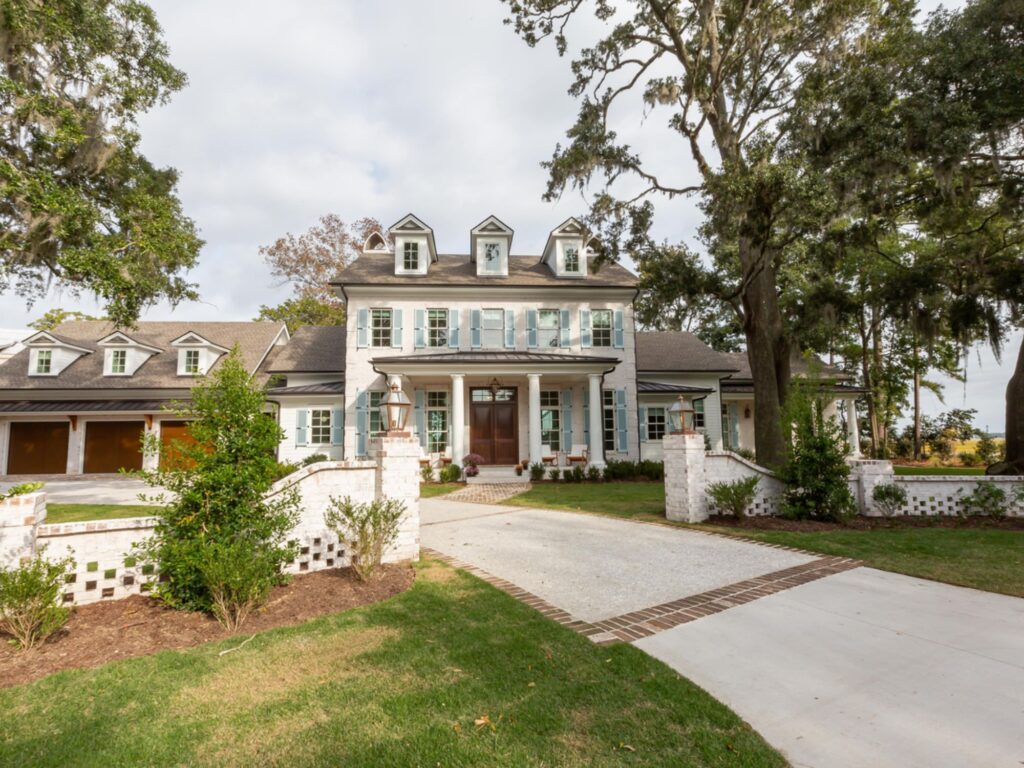
Running out of space but love your home and neighborhood? A room addition lets you stay put while gaining the space you need, whether that’s a home office, an extra bedroom, a sunroom, or a master suite.
Adding a room to your house involves structural considerations, zoning restrictions, design decisions, and a permitting process. That’s where working with an architect becomes necessary.
What Counts as a Room Addition?
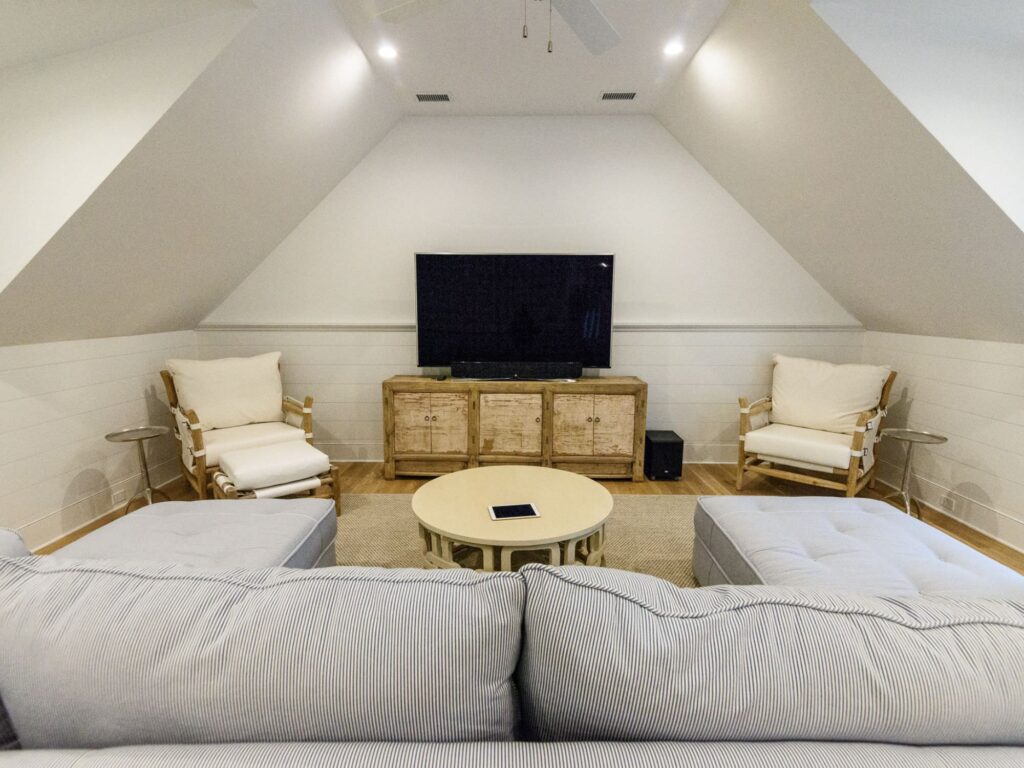
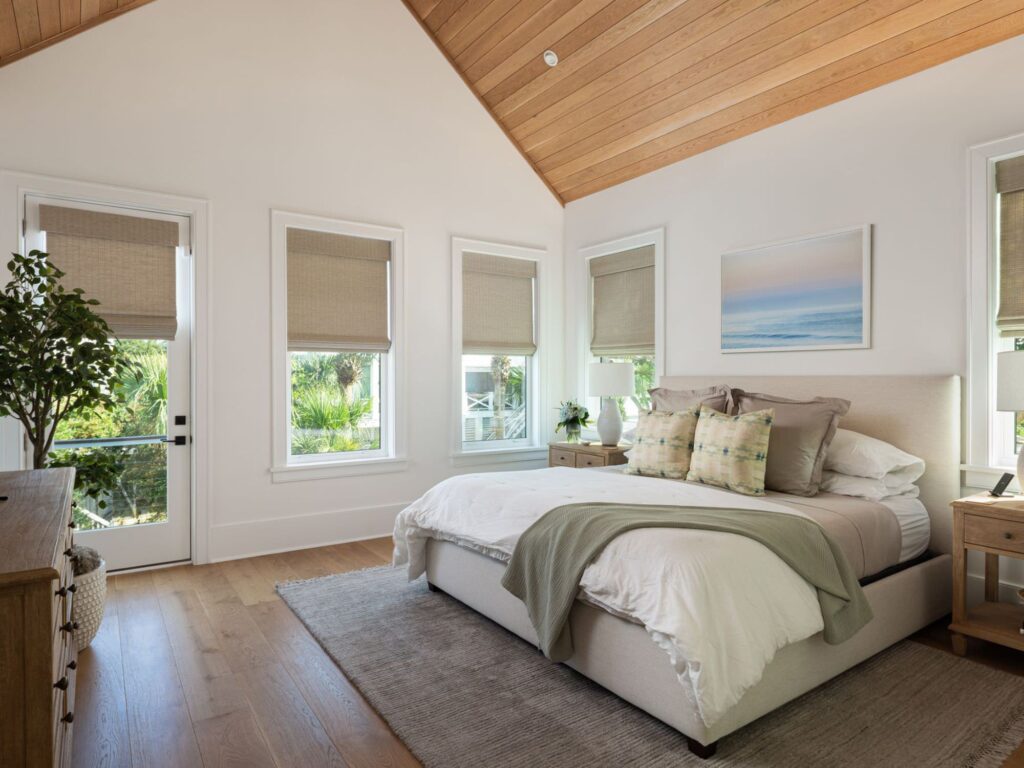
Looking for home addition ideas? A room addition means expanding your home’s physical footprint or adding vertical space. Things like bedroom additions, home office additions, sunroom additions, master suite additions, bathroom additions, family room additions, mudroom additions, bump out additions, and room additions over garages.
If you’re changing the exterior walls, expanding the roofline, or adding square footage, you’re doing a room addition. If you’re just moving interior walls around, that’s a renovation.
When You Need an Architect
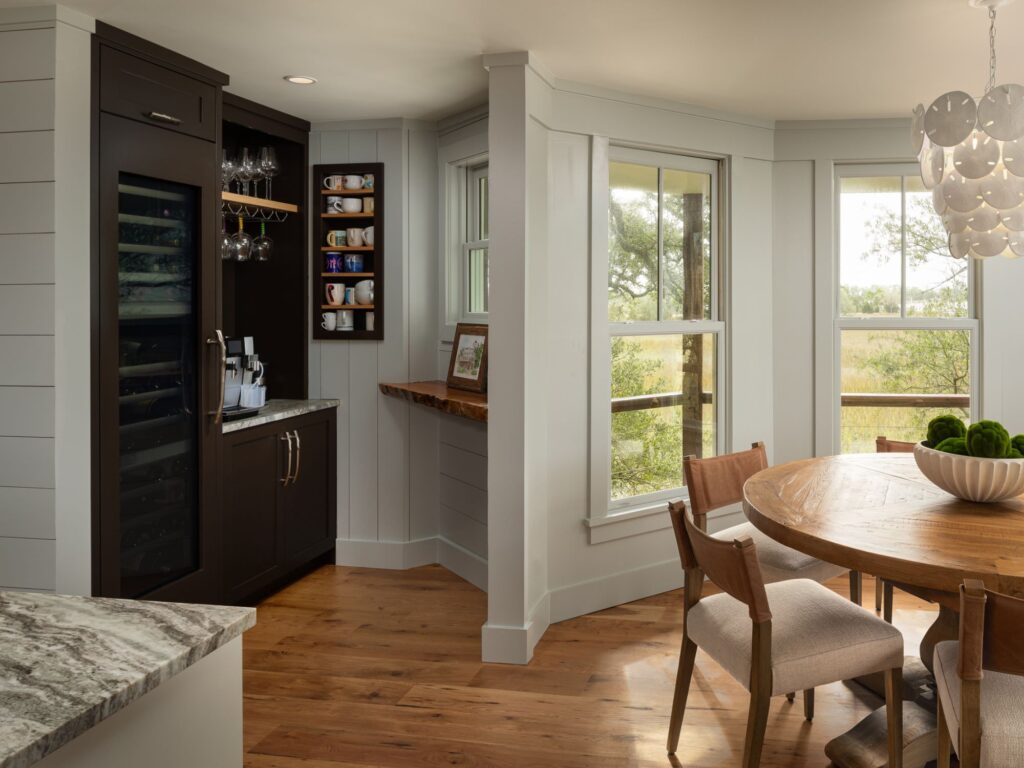
When you’re ready to design an addition to house, you’ll want professional help. You almost always need an architect for a room addition when you’re changing exterior walls or rooflines, adding a second story, working with foundations, navigating zoning requirements, or involving structural changes to load-bearing walls.
In Charleston, many neighborhoods have architectural review boards that must approve exterior changes. An architect who knows the local approval process ensures your house addition plans meet building codes and work within your lot’s constraints.
Designing a Room Addition That Feels Seamless
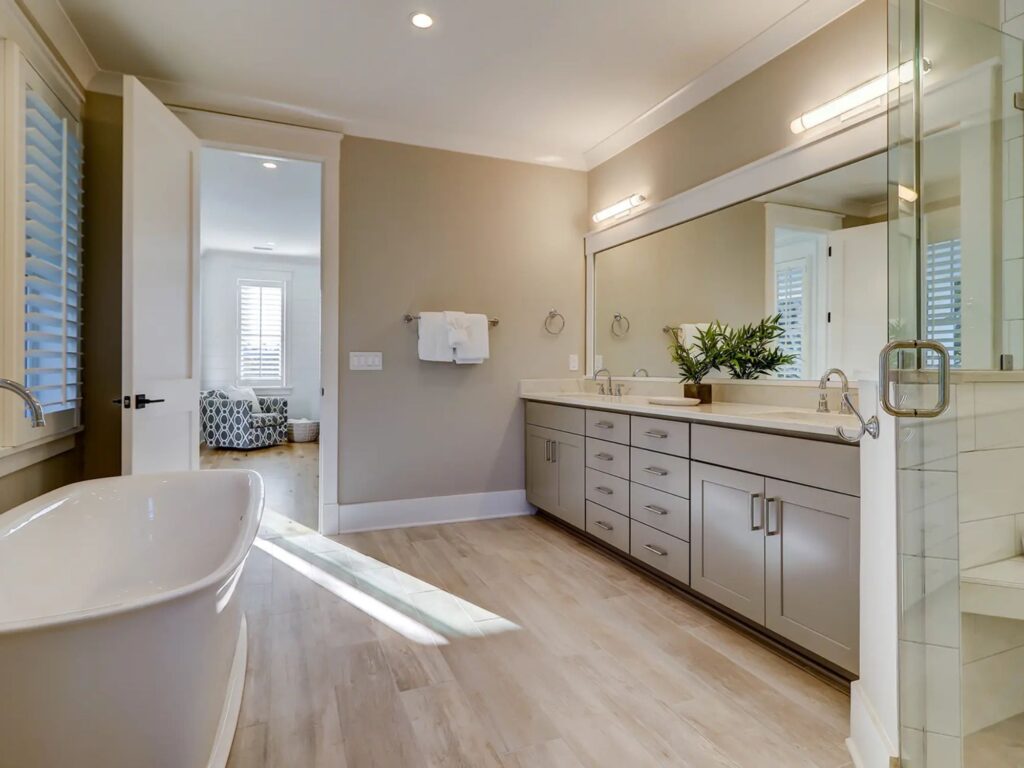
The worst room additions look tacked on. The roofline doesn’t match, windows are different, and the flow feels awkward.
A good architect designs additions that look like they were always there by matching architectural style, integrating rooflines properly, placing windows to preserve natural light, creating logical flow between spaces, and matching exterior materials and details.
If you have a Charleston single house with a screened in porch, your addition needs to respect that traditional aesthetic. The siding, trim, and other finishes should match or complement what’s already on your home.
Structural and Engineering Considerations for Room Additions
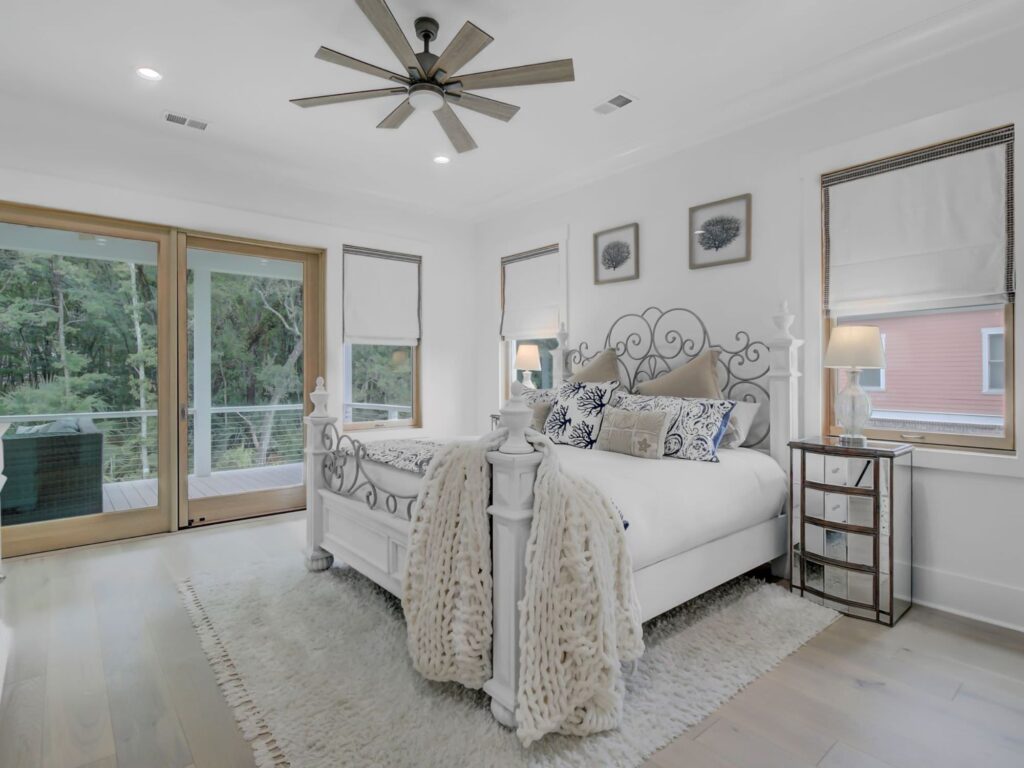
Every room addition involves structural work. Even a small bump out requires foundation, framing, and connection to your existing structure.
Key considerations include foundation work (especially in Charleston’s Lowcountry with sandy soils and high water tables), load paths from roof to foundation, tying into existing framing, roof structure engineered for coastal wind loads, and floor framing for second-story additions.
Working with a firm that has both architecture and structural engineering in-house makes a huge difference. Both disciplines work together from the start which means fewer surprises, faster timelines, and designs that are both beautiful and structurally sound. At Coastal Creek Design, our architects and structural engineers collaborate on every addition from day one.
Permits, Zoning, and Setbacks
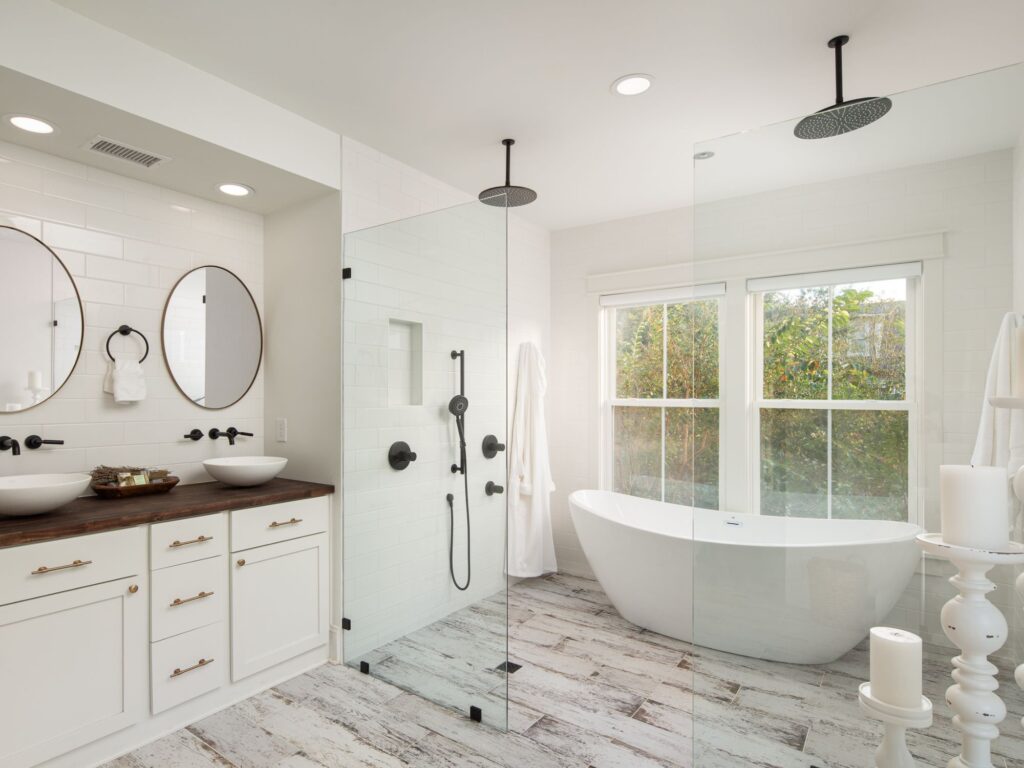
Property additions requires permits. Your property has setback requirements from lot lines, lot coverage limits, and potentially height restrictions. Many Charleston neighborhoods require architectural review board approval before you can proceed.
Once your design is complete, your builder submits plans to the local building department. Permit review typically takes 8-12 weeks.
A good architect researches your property’s zoning before finalizing the design, saving you from discovering too late that your addition won’t fit your lot.
Room Addition Costs
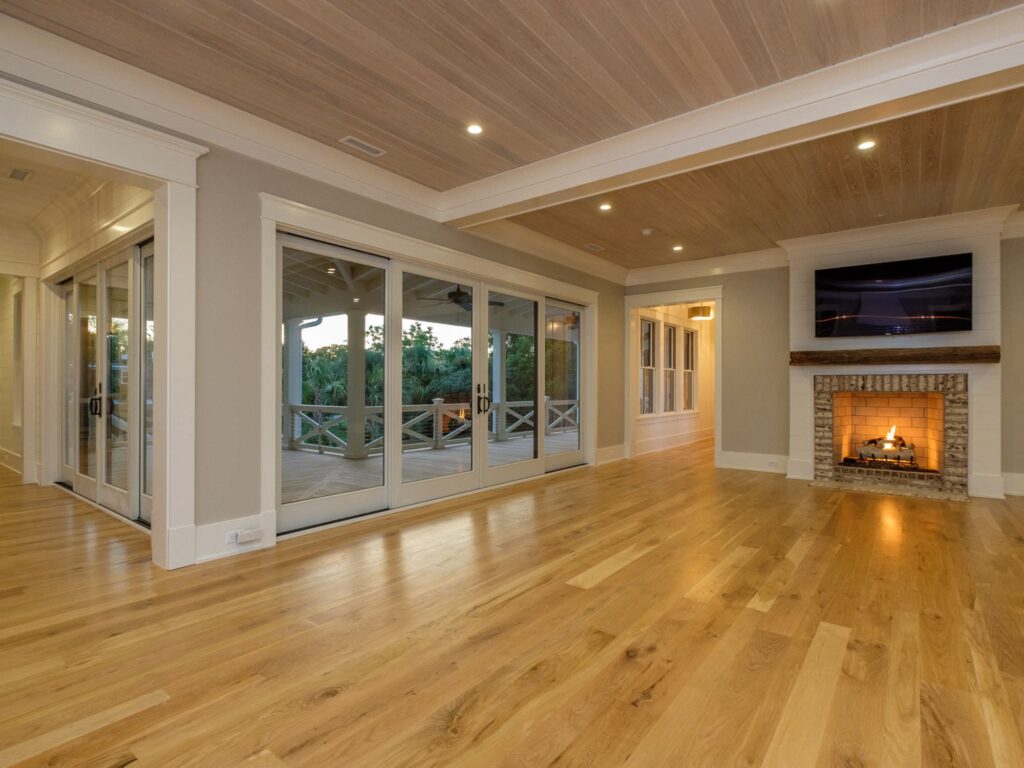
Cost depends on size, complexity, and finishes. A small bump out costs far less than a master suite. Room additions typically cost more per square foot than new construction because you’re tying into existing systems.
There are a few things that can drive the cost up – Second-story additions and building over garages take more structural work. You’ll also pay more if you’re adding plumbing for a bathroom, upgrading your foundation, or working on the roof. Luxury or high end finishes cost more than builder grade materials. And if your home has custom trim or unique siding, matching those finishes adds to the bill.
Talk to an architect early. They’ll help you figure out what things actually cost and show you where you can save money through smart design choices. We’ve seen it over and over: people who spend time on good plans upfront don’t get hit with surprise costs during construction.
The Room Addition Process
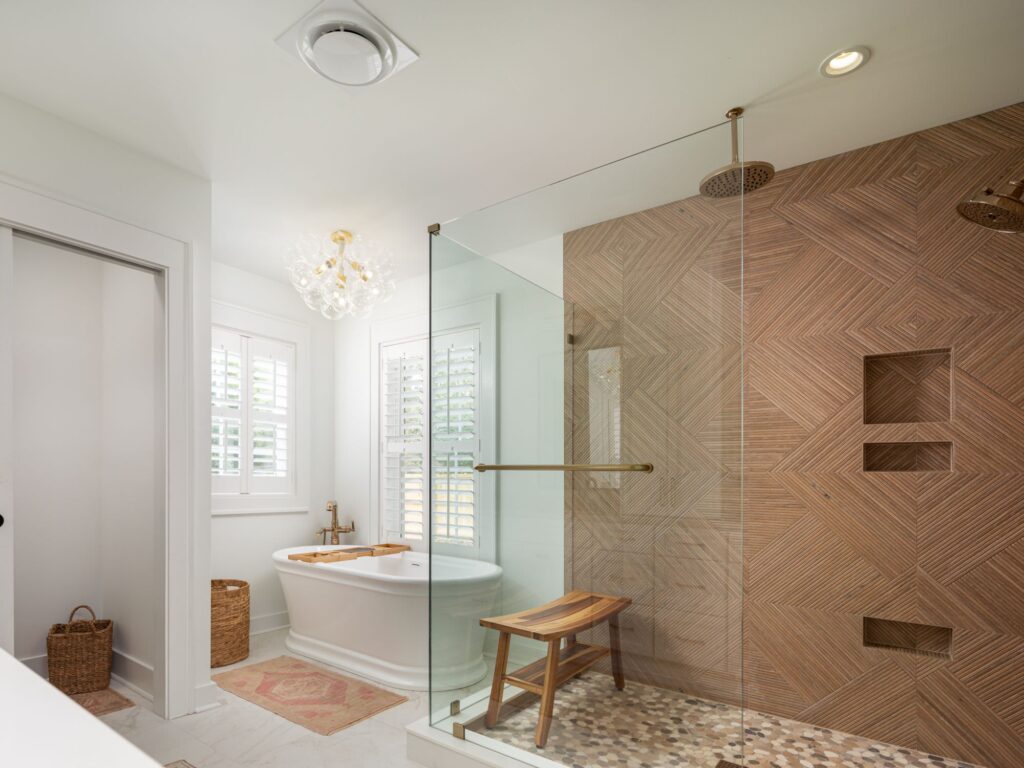
The design process looks a little different depending on which firm you work with, but below is how it typically goes
- Initial Consultation – You’ll sit down with your architect and talk through what you’re trying to accomplish. What room do you need? What’s your budget? How soon do you want to start?
- Site Visit – Your architect measures the existing structure, photographs the property, and assesses how an addition might work.
- Property Research – Research zoning, setbacks, lot coverage, and any HOA restrictions.
- Concept Design – Develop design options showing different ways to add the space you need. Design sessions often include real-time drawing so you can see changes as you discuss them.
- Final Design and Construction Documents – Create detailed plans including floor plans, elevations, sections, and electrical plans. The structural engineer develops foundation layout, framing plans, and load calculations. When both teams work under one roof, this phase moves faster.
- Permits and Approvals – Your builder submits plans for building permits (8-12 weeks in Charleston) and any required HOA approvals.
- Construction – Most room additions take 3-6 months to complete. Your architect remains involved to answer questions and ensure work matches the design.
- Final Inspections – The building department conducts final inspections before you can use your new space.
Common Room Addition Mistakes (and How to Avoid Them)
- Designing in isolation – Consider how the addition affects your entire home, not just the new space. Work with an architect who considers the whole house.
- Underestimating structural requirements – Include structural engineering from the beginning, especially for complex additions.
- Ignoring zoning – Have your architect research property restrictions before finalizing the design.
- Choosing the cheapest option – Cutting corners on design often costs more during construction. Invest in thorough design upfront.
- Not thinking about resale – Ask your architect how your addition might affect home value.
- Poor communication – Stay engaged, respond to design reviews quickly, and communicate clearly about priorities. At Coastal Creek Design, clear communication is one of our biggest strengths—we keep you in the loop at every step so there are never any surprises.
Frequently Asked Questions About Room Additions
Do I need an architect for a room addition?
Yes, in almost all cases. Room additions involve structural changes, zoning compliance, and design decisions that require professional expertise. In Charleston, many neighborhoods also require architectural review board approval, which means you’ll need professional plans.
What’s the difference between a room addition and a home addition?
The terms are often used interchangeably. “Room addition” typically refers to adding a specific room (bedroom, sunroom, office), while “home addition” can refer to any expansion of your home’s footprint.
How much does a room addition cost?
Costs vary widely. Small bump out additions might start around $30,000-50,000, while larger additions like a master suite can run $100,000-200,000 or more. Work with an architect to develop a realistic budget based on your specific project.
How long does a room addition take from design to completion?
Timeline varies by project complexity and the firm you choose. A simple bump out might be designed in 4-6 weeks, while a full master suite could take 8-12 weeks for plans. Add 8-12 weeks for permits, then 3-6 months for construction. Firms with both architecture and structural engineering in house tend to move faster through the design phase.
Do I need a structural engineer?
Yes. Every room addition involves structural work. A structural engineer ensures your addition is properly designed to carry loads safely and tie into your existing structure. Firms with both disciplines in-house offer faster timelines and better-integrated designs.
Will a room addition increase my home’s value?
Generally, yes, but it depends on what you add and how well it’s designed. Bedroom additions, master suites, and home office additions typically add value. The key is ensuring the addition feels like a natural part of your home.
Ready to Add Space to Your Home?
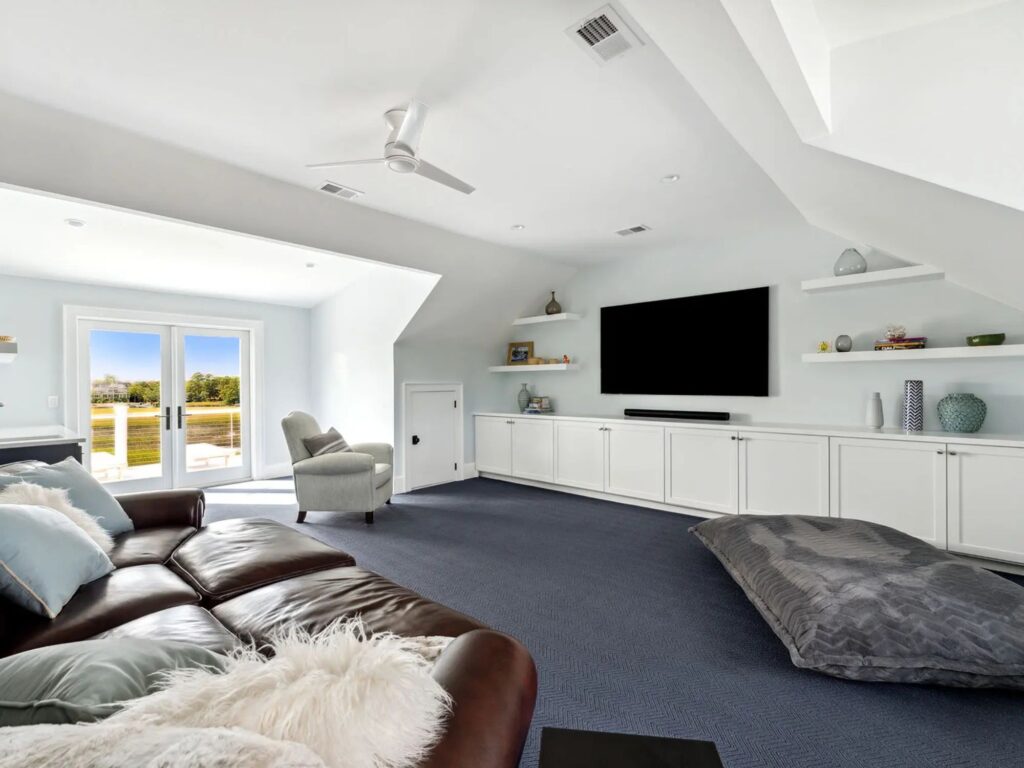
At Coastal Creek Design, we specialize in residential additions and renovations throughout Charleston and the Lowcountry. Our approach combines architecture and structural engineering under one roof for faster timelines, better-integrated designs, and fewer surprises.
Whether you’re considering a sunroom addition, home office addition, or master suite addition, we’ll help you explore your options.
Contact us today to schedule a consultation. We’ll discuss your goals, review your property, and help you understand what it takes to create the additional space your family needs.