
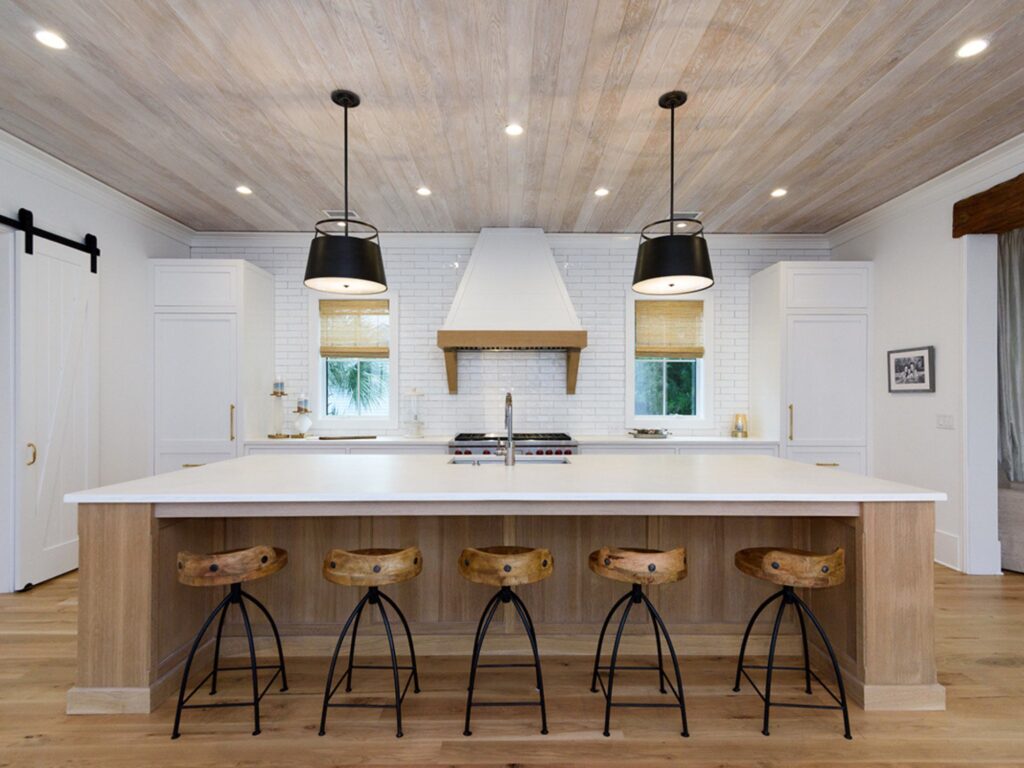
You’re planning a remodel and suddenly everyone has an opinion. Hire a designer. No, hire an architect. Your contractor says he can handle it. The architect vs interior designer question can come up, and it matters more than most homeowners realize. Hiring the wrong person for the scope of your project can cost you time, money, and some painful surprises during construction. The architecture vs interior design distinction matters most when walls are moving, space is being added, or permits are required.
Key Takeaways
- A licensed architect is required any time your project involves structural changes, permits, or additions.
- An interior designer is ideal for cosmetic updates but is not responsible for structure, code compliance, or permits.
- An architectural designer is not the same as a licensed architect and may not be able to stamp plans for complex projects.
- The architect vs interior designer question often has the same answer for high end remodels – you need both.
- Having architecture and structural engineering under one roof speeds up the process and reduces surprises during construction.
- When in doubt, start with an architect who can help you figure out the right team for your specific project.
What an Architect Does That an Interior Designer Can’t
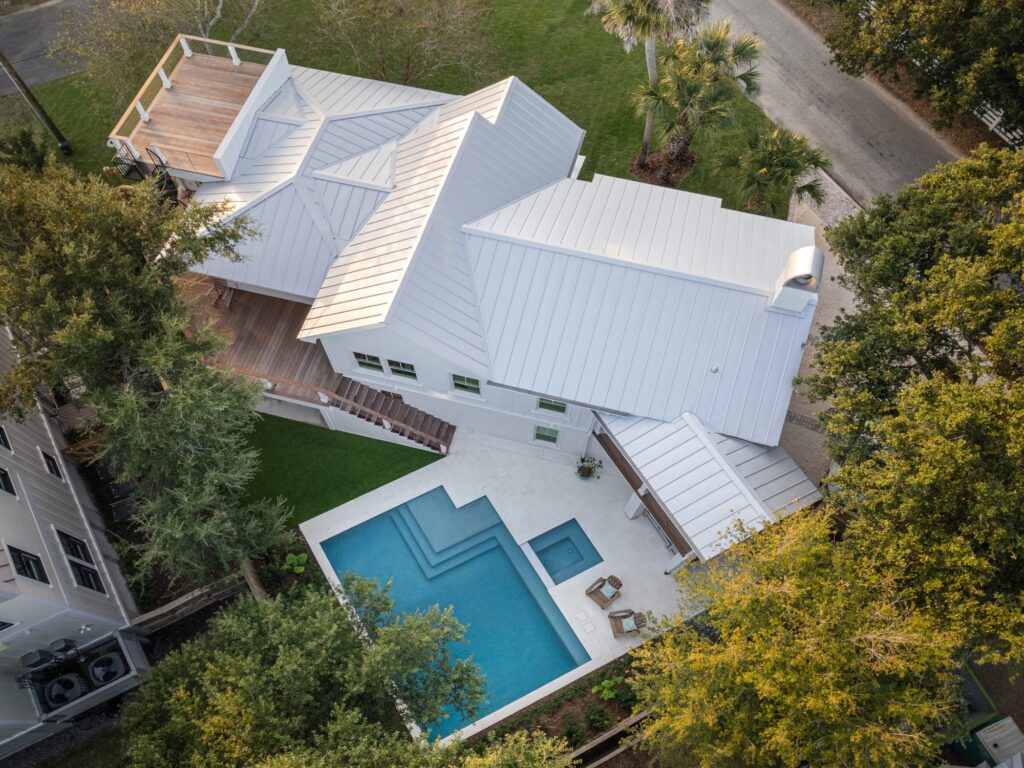
A licensed architect has a professional degree, passed a licensing exam, and is legally responsible for the safety of their designs. That last part is important.
When your project involves moving walls, adding square footage, changing your roofline, or anything that touches the structure of your home, someone has to stamp those drawings and take legal responsibility for them. Depending on your state and the scope of your project, that person is typically a licensed architect or engineer.
Beyond the legal piece, a good architect thinks about your home at a systems level. How do people move through the space? Where does natural light come from and how does it change throughout the day? How does the home addition connect structurally and aesthetically with the existing house? These are questions that go well past picking finishes.
Architects also create the permit ready construction documents your builder needs to actually build the thing, coordinate with structural engineers, and navigate local building codes and review boards. If you’re in a historic district, flood zone, or a neighborhood with an architectural review board, an architect who knows those processes is not optional.
What an Interior Designer Does and Where They Shine
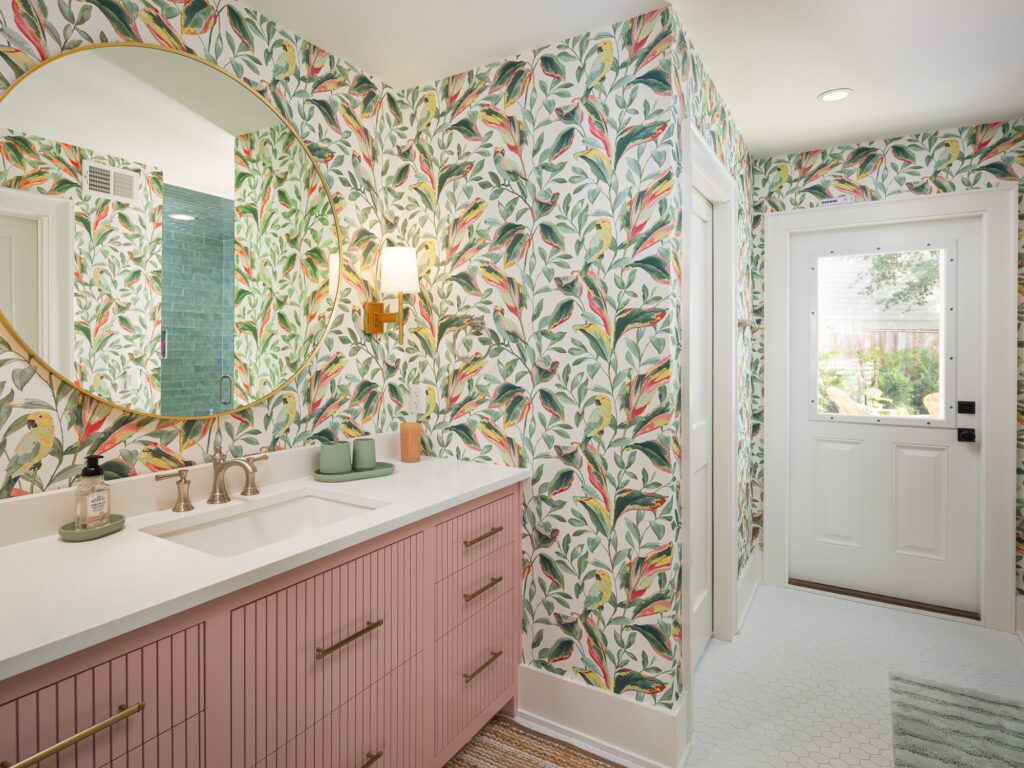
An interior designer focuses on the interior experience of your home. Finishes, fixtures, furniture, lighting selections, tile patterns, paint colors, and cabinetry aesthetics. They make spaces feel right.
For purely cosmetic projects like refreshing a living room, updating a kitchen’s look without moving walls, or selecting finishes for a bathroom renovation, an interior designer is often the right choice. They’re trained to pull together a cohesive look across a space in a way that most homeowners genuinely can’t do on their own.
The interior designer vs architect distinction really comes down to one thing. What they typically don’t do is structural work, code compliance, or permit drawings.An interior designer working on a kitchen refresh within the existing footprint is in their wheelhouse. That same designer trying to move a load-bearing wall to open up the floor plan is not.
The best projects often pair both. An architect shapes the bones: layout, structure, how the spaces connect. An interior designer layers in the experience, making it feel right when you’re actually living in it.
Architectural Designer vs Architect – What’s the Difference?
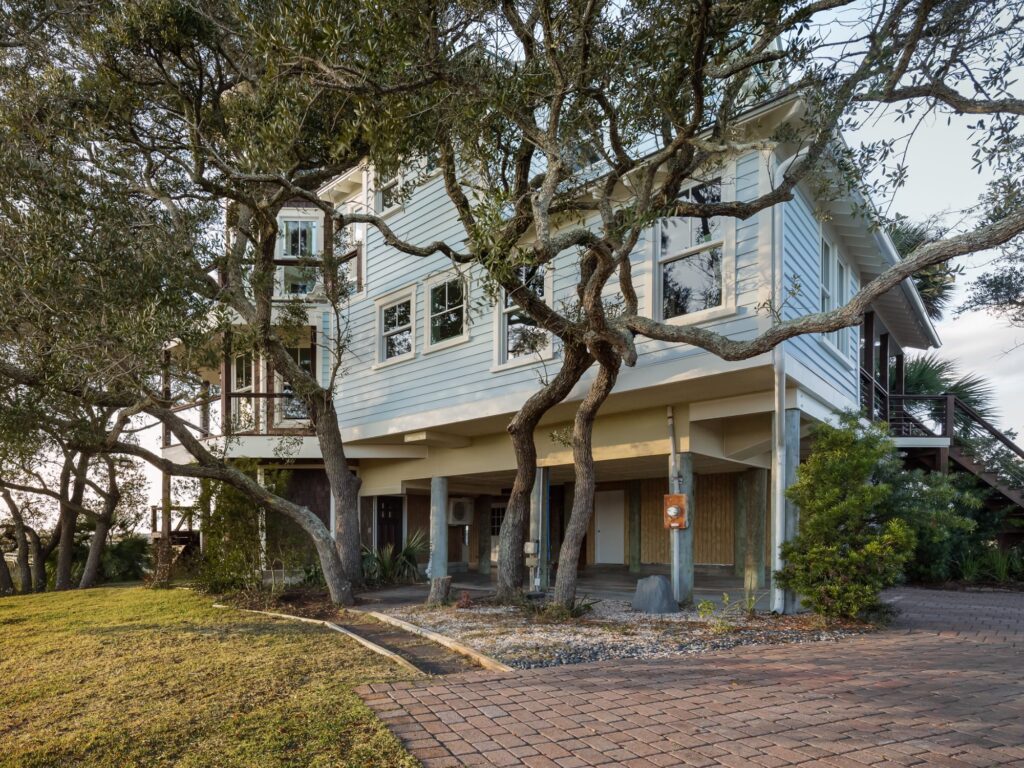
This is where a lot of homeowners get confused. An architectural designer (sometimes called a home designer or building designer) may have strong design skills and produce quality drawings, but they are not a licensed architect. The title is not regulated the same way.
That doesn’t mean they can’t do good work. Architectural designers can bring real value to the right project, but the title means different things depending on who you’re talking to. For simpler projects like a straightforward addition or interior floor plan changes, an architectural designer can be a reasonable option, often at a lower cost.
But here’s the question you always need to ask – who is stamping the plans and taking legal responsibility for them?
If an architectural designer is producing drawings for a complex remodel or addition and there’s no licensed architect or engineer reviewing and stamping those plans, that’s a real risk. Make sure you know the answer before you sign anything.
The architectural designer vs architect distinction matters most when your project involves structure, permits, or significant complexity. For those projects, you want someone whose license is on the line.
Where Contractors Fit In
Your general contractor prices the work, manages the trades, and builds to the plans. That’s their job and they’re good at it.
Design build firms combine design and construction under one roof, which can work well for simpler, more straightforward projects where speed and streamlined communication matter more than highly custom design. For a basic addition or a kitchen remodel within the existing footprint, design build can be a practical option.
High end remodels where the design details really matter is where it can get a little risky. Contractor sketches and minimal drawings work just fine for simple projects. For a whole home remodel with structural changes, layout shifts, and high end finishes, vague plans lead to change orders, miscommunication with trades, and a finished product that doesn’t quite match what you had in your head.
A contractor led process works best when an architect has already produced detailed, complete drawings. The more thorough the plans, the more accurately contractors can bid and the fewer surprises show up during construction.
Architect vs Designer vs Architectural Designer and When to Hire Each
Here’s a simple way to think about who you need based on what you’re actually doing.
- Cosmetic refresh only (paint, furnishings, fixtures in existing locations) – Interior designer leads, no architect required.
- Kitchen or bath update within the same footprint – Interior designer is ideal, architect needed only if layout changes or permits are required.
- Removing or opening walls, creating open-concept spaces – Architect and structural engineer required. An interior designer can handle finishes.
- Home addition, second story, or major facade changes – Architect and structural engineer required. Non-negotiable.
- Whole home remodel with layout, systems, and exterior updates – Architect-led process with structural engineering. Interior designer ideally involved for finishes.
- Historic district, flood zone, or complex site – Architect with local knowledge is essential.
When an Architect and Structural Engineer Together Make the Biggest Difference
For high-budget, structurally complex projects, the architect vs designer question almost answers itself. But there’s another pairing that matters just as much – architect and structural engineer.
The typical process at a lot of firms goes like this. The architect designs a beautiful space, sends the drawings out to a structural engineer, the engineer flags problems, the architect revises, and you’ve just lost three weeks and introduced a round of design compromises nobody wanted.
When the architectural and structural teams work together in the same office from day one, that whole cycle doesn’t happen. Structural questions get answered during the design session, not after. The design accounts for what’s structurally possible from the start, which means fewer surprises during construction and stronger, more buildable plans overall. You can learn more about how we handle both sides of that process on our architectural and structural engineering services page.
For coastal homes, elevated construction, or projects in historic areas where structure and detailing really matter, that integrated approach isn’t just more efficient. It produces a genuinely better result.
Architect vs Interior Designer FAQs
Do I need an architect or interior designer for my remodel?
It depends on what you’re changing. If you’re updating finishes and furnishings with no structural changes, an interior designer can often lead. If you’re moving walls, adding space, or touching anything structural, you need an architect.
What is an architectural designer and how is it different from an architect?
An architectural designer produces design drawings and floor plans but is not a licensed architect. They can be a good fit for simpler projects, but for anything involving structural work or permits on complex remodels, make sure you know who is stamping and taking legal responsibility for the plans.
Can I hire an interior designer first and add an architect later?
You can, but it often creates rework. If there’s any chance your project will involve structural changes or additions, starting with an architect saves you from revising designer plans that weren’t drawn with structure in mind.
What is the difference between a draftsman vs architect?
A draftsman produces technical drawings but does not design or take responsibility for the safety of the plans. An architect designs the project, is licensed, and is legally accountable for the work. On complex projects, you want an architect, not just someone who can draw. The difference between an architect draftsman and a licensed architect isn’t just a title. It’s legal accountability for the safety of the plans.
When is a contractor alone enough?
For straightforward cosmetic work with no structural changes and no permit requirements, a skilled contractor can often handle it. Once you’re moving walls, adding space, or doing anything that requires permits, you need architectural drawings first.
When do I need a structural engineer?
Any time you’re removing or modifying walls, adding square footage, changing roof framing, or making structural changes of any kind. Firms that have architecture and structural engineering under one roof make this part of the process much smoother.
What does an architectural designer do?
An architectural designer creates floor plans, exterior concepts, and construction drawings, similar to an architect but without the licensing requirements. For simpler projects they can be a cost effective option, but always confirm who is stamping the plans.
Not Sure Which Team You Need?
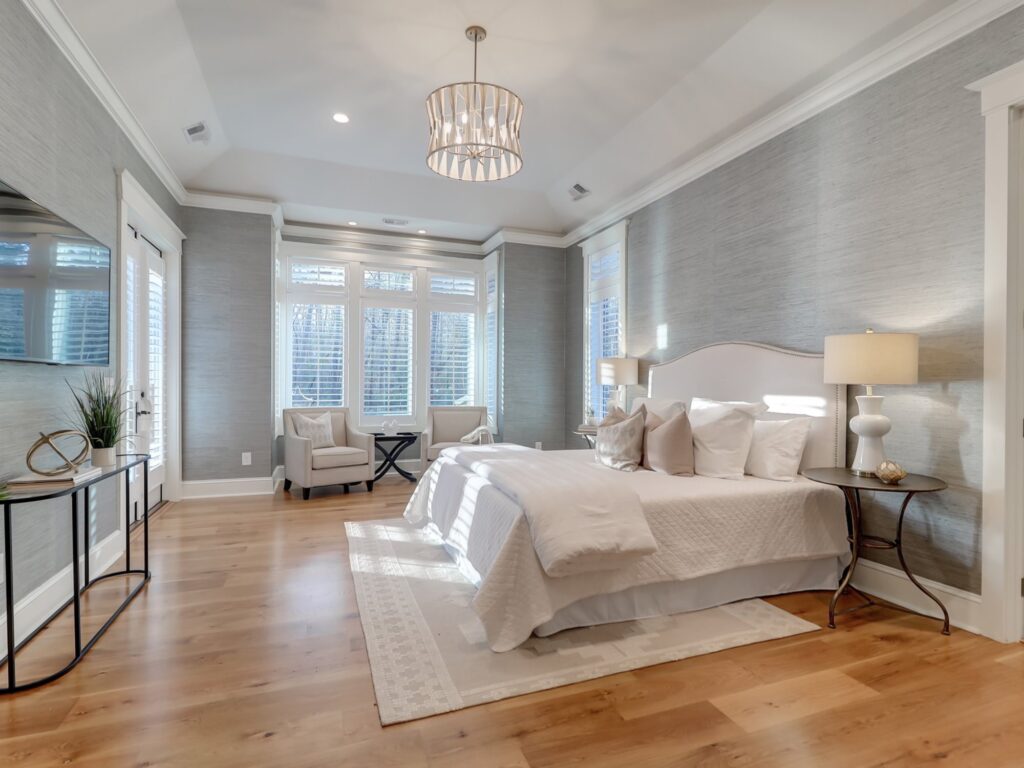
The architect vs interior designer decision looks different for every project, and that’s exactly what a first consultation is for. At our Charleston architecture firm, we’ll walk through your project with you, help you understand what it actually involves structurally and architecturally, and point you toward the right mix of professionals for your specific situation. No pressure, just a straight answer. Contact us to schedule a consultation.
Your dreams are our blueprint.