If you’re planning a new custom home build in Charleston, you’ve probably heard the term “flood zone” thrown around more than once. Depending on where your lot is located, you might need elevated house plans for flood zones, which means your home will sit higher above the ground than a typical house. And here’s what’s great about that – elevated homes naturally capture better views, invite cooling breezes, and create opportunities for covered outdoor living space below.
The key is designing elevated house plans that embrace the height rather than just meeting code requirements. When done right, elevation becomes one of your home’s best features.
Why Elevated House Plans Matter in Charleston Flood Zones
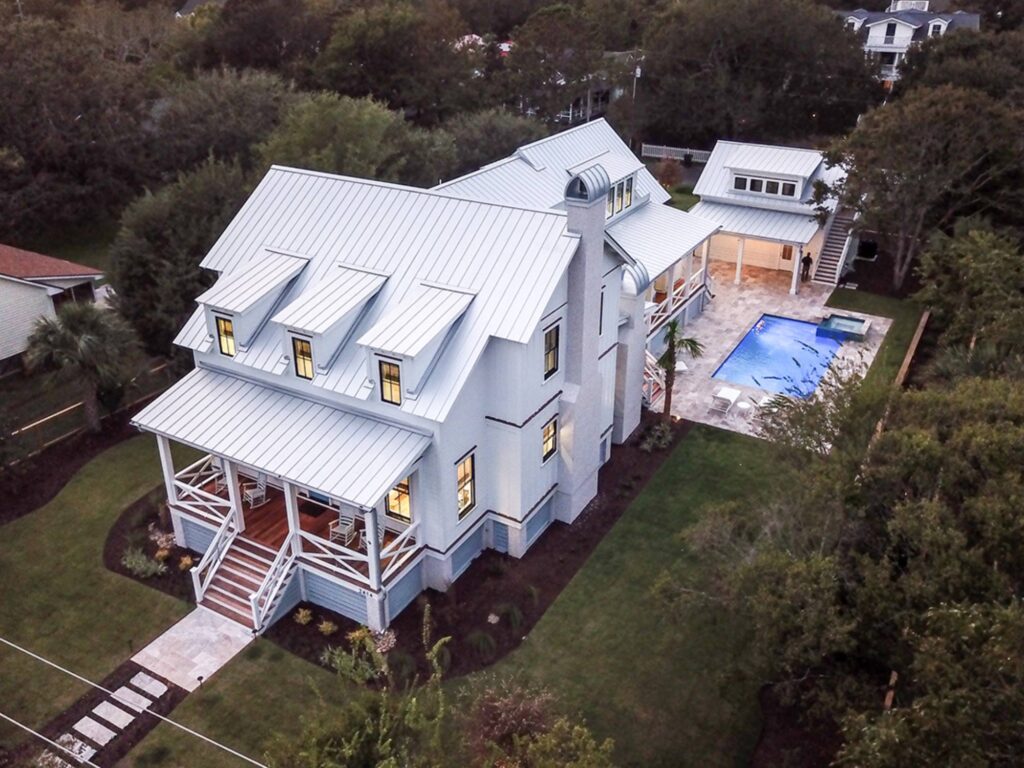
Let’s start with the practical side. Charleston is beautiful, but it’s also one of the most flood-prone cities in the country. Between hurricane storm surge, tidal flooding, and heavy rain events, building at the wrong elevation isn’t just risky. It can be financially devastating.
Your home’s required elevation depends on its specific flood zone designation. FEMA determines these zones based on flood risk, and your local building department enforces minimum elevation requirements. In many Charleston coastal areas, homes must be elevated several feet above base flood elevation, sometimes eight feet or more above grade.
Here’s what most people don’t realize until they’re deep into the process: meeting code is just the baseline. The real challenge is making an elevated home look like it belongs in the neighborhood, feels welcoming when you pull up to it, and doesn’t sacrifice the coastal charm that drew you to Charleston in the first place.
Designing Beautiful Elevated House Plans for Flood Zones
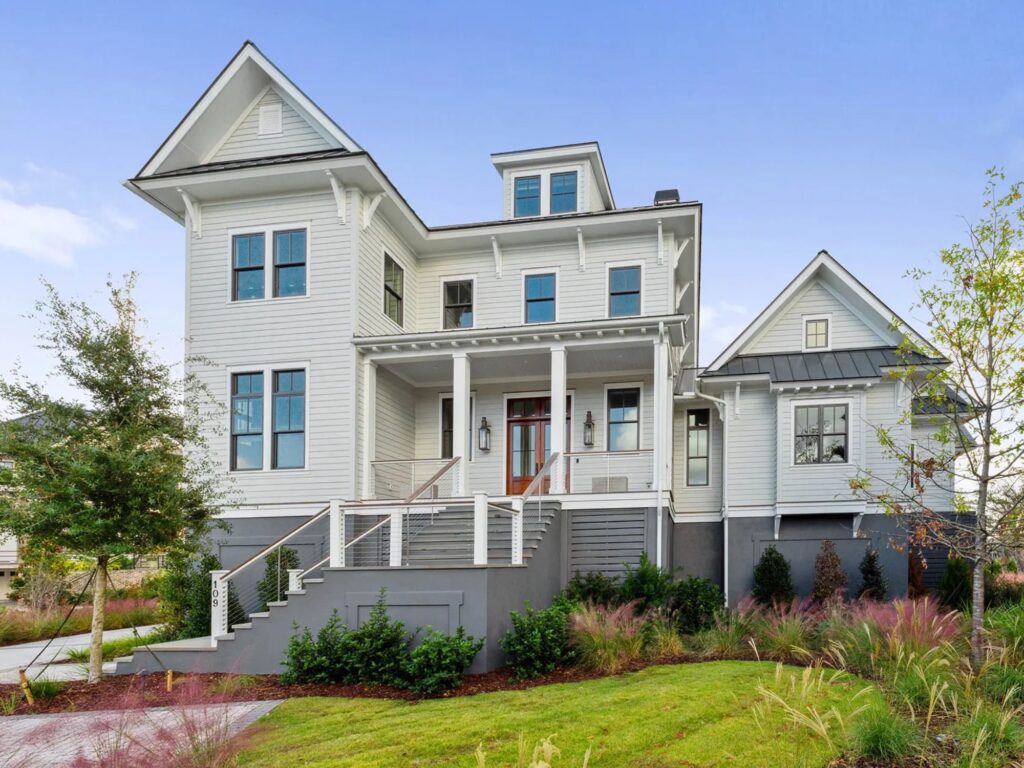
When you’re working on elevated house plans from the beginning, you can actually use that height to your advantage. Elevated homes naturally get better views, more natural light, and protection from flooding. The trick is designing the architecture so the home looks intentional, not like an afterthought.
After designing dozens of elevated homes in the Charleston area, we’ve learned a few things about what works.
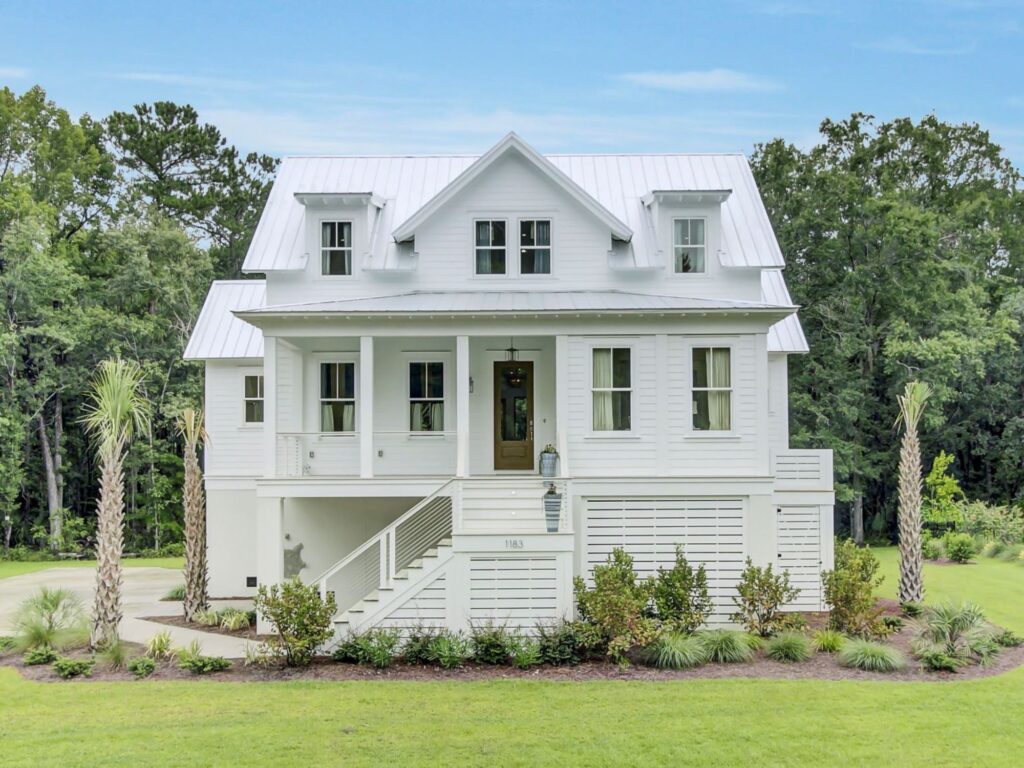
- Proportions matter more than you’d think. An elevated home needs different proportions than a ground-level house. Windows, rooflines, and the overall massing of the house all need to be adjusted to account for the additional height. When these elements are properly scaled, an elevated home can actually look more impressive than its ground level neighbors.
-
The entryway is very important. Wide, welcoming stairs with great landings make a huge difference. Some of our best elevated home plans feature grand entries that become a signature architectural element.
- What happens below the house matters too. The space under an elevated home isn’t wasted. It can be designed as covered parking, outdoor living space, or storage. When this ground level is designed with attractive materials and details, the whole home looks and works better.
Lowcountry House Plans and Elevated Design

Charleston’s traditional Lowcountry house plans actually evolved partly in response to flooding and heat. Those classic elevated porches weren’t just for looks. They served a real purpose. This makes elevated house design a natural fit for Charleston’s architecture.
Traditional Lowcountry elevated home plans often feature:
- Deep covered porches on multiple sides
- Steep metal roofs that handle rain beautifully
- Tall windows that bring in natural light and breezes
- Symmetrical facades that look balanced even when elevated
But elevated house design works equally well with modern architecture. Clean lines, large windows, and contemporary materials can look stunning when a home is lifted above the landscape. The elevation can actually emphasize modern design elements and create dramatic curb appeal.
Why Structural Engineering Matters for Elevated House Plans
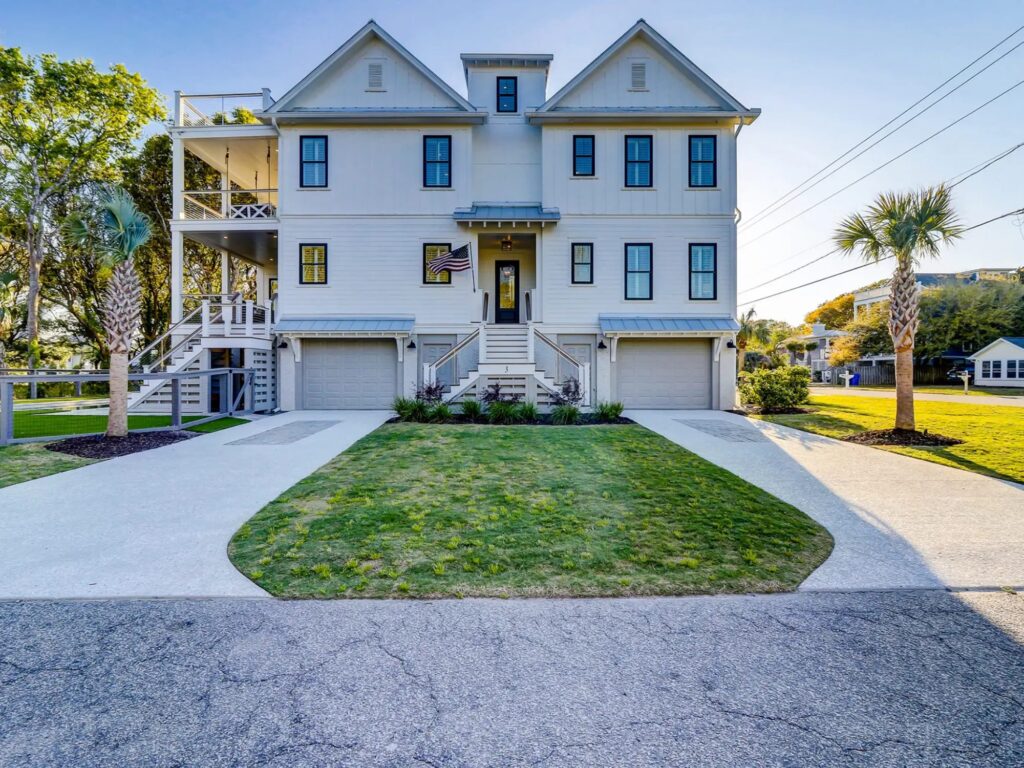
Here’s where many projects run into trouble. Homeowners work with an architect to design their dream home, then hand those plans to a structural engineer who has to figure out how to make it stand up safely in a flood zone.
The problem? By that point, major design decisions have already been made. If the structural engineer finds issues (and they often do), it can mean expensive redesigns and delays. Sometimes, structural needs force changes that hurt the final design.
This is why we set up Coastal Creek Design with both architectural designers and structural engineers working together in the same office. When you’re developing elevated house plans for flood zones, having these teams collaborate from day one makes a massive difference.
Our structural team understands Charleston’s soil conditions, flood requirements, and building codes inside and out. They’re not just checking boxes after the design is done. They’re actively contributing to design decisions as the plans develop. This means your elevated home design is both beautiful and structurally sound from the very first sketch.
Foundation Systems for Elevated House Plans in Flood Zones
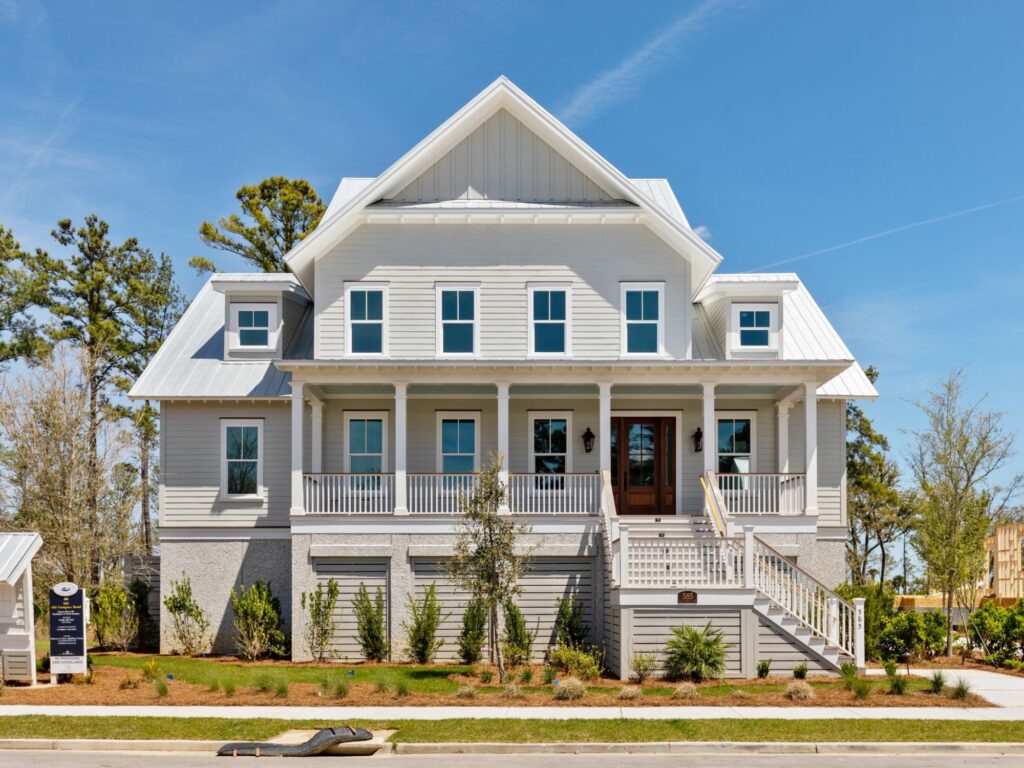
The foundation of an elevated home is obviously critical, but it’s also more complex than most people realize. Charleston’s soil conditions vary significantly even within the same neighborhood. What works two blocks from the ocean might not work a mile inland.
The most common foundation systems for elevated coastal house plans include deep pilings driven into stable soil layers and engineered pier systems designed for specific load requirements. The right choice depends on your specific site conditions, the height of elevation required, and the design of the home itself.
This is another area where having structural engineering expertise in house helps. We can evaluate your specific lot, understand the soil conditions, and recommend the most appropriate and cost effective foundation system for your elevated house design. These decisions happen early in the design process, which prevents expensive surprises later.
Living with Elevated Home Plans
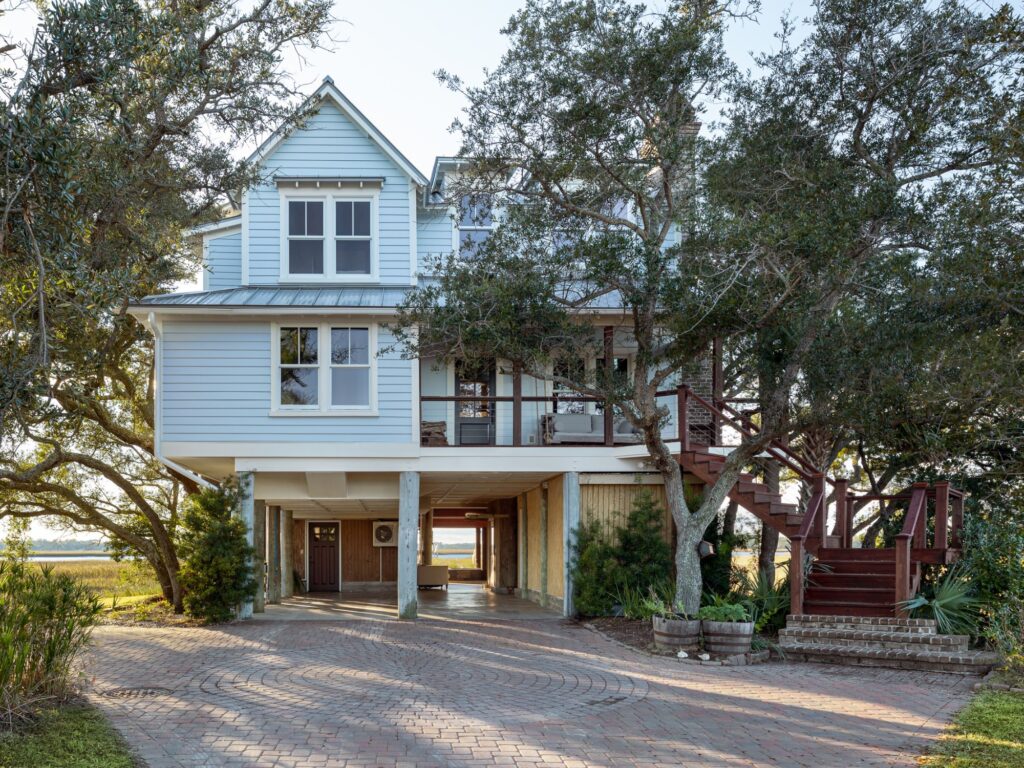
So, what’s it actually like to live in an elevated home? The views are better. Natural light is amazing because you’re above tree lines and neighboring roofs. Breezes flow through better. And there’s real peace of mind knowing your home is protected from flooding.
The ground level space under the house becomes surprisingly useful. They can be designed as outdoor living rooms with kitchens and fans, covered parking that keeps cars cool and protected, workshop and storage space that’s dry and accessible, outdoor showers and gear storage for beach equipment and so much more!
The key is planning for these spaces during the design phase rather than leaving them as an afterthought.
Getting Started with Elevated House Plans for Flood Zones
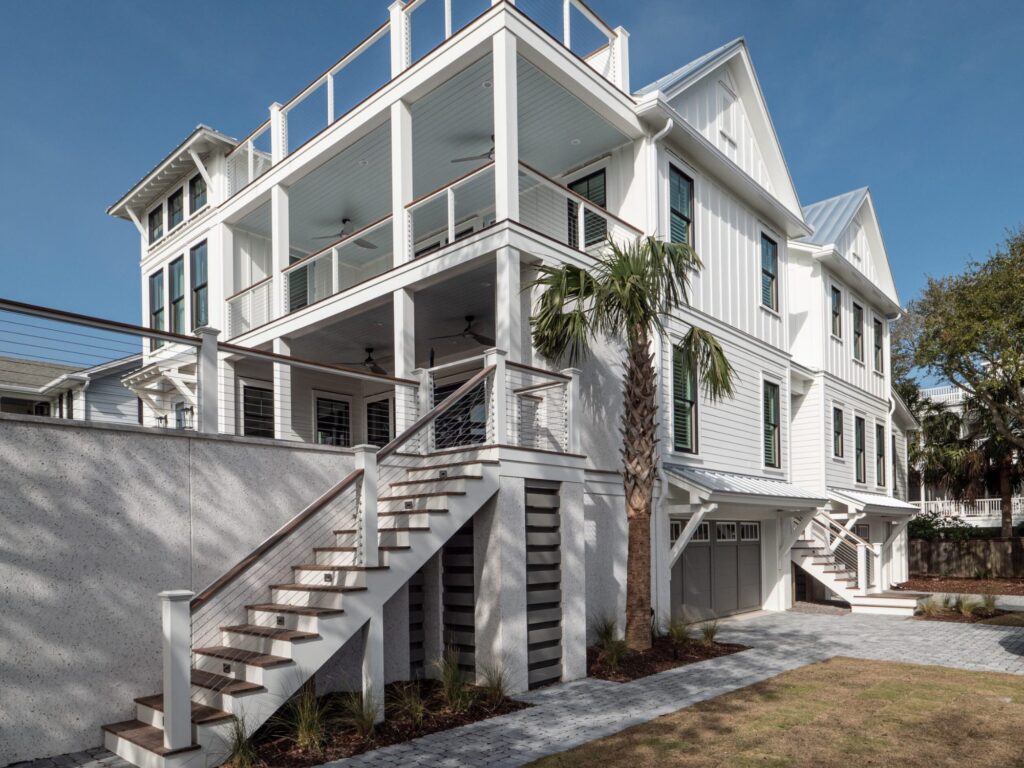
If you’re considering building an elevated home in Charleston, the most important step is starting with the right team and asking the right questions before hiring an architect. You need professionals who understand both the technical requirements of flood zone construction and the design skills to create something beautiful.
Look for a team that can handle both architectural design and structural engineering. This integrated approach saves time, reduces costs, and produces better results than coordinating between separate firms. You want an architecture firm that has extensive experience with elevated house plans specifically, not just general residential architecture.
And choose a team with deep knowledge of Charleston’s specific requirements. Local building codes, flood zone regulations, and soil conditions all matter. Generic elevated house plans you find online won’t account for Charleston’s unique challenges.
Schedule Your Consultation Today
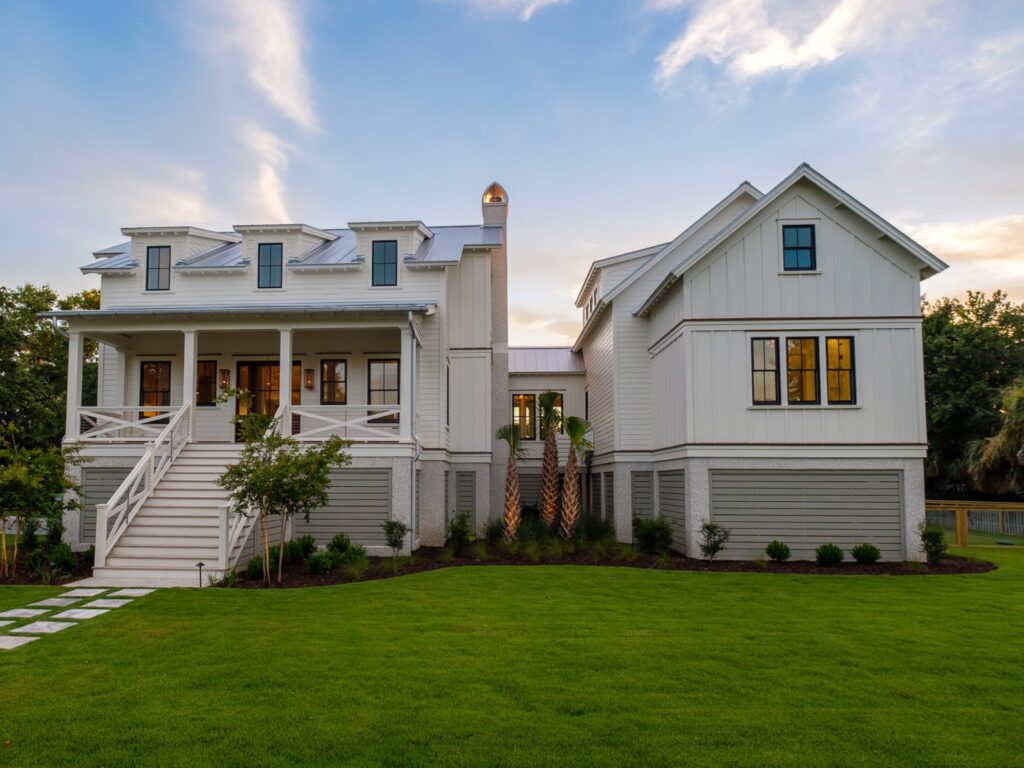
Elevated house plans for flood zones are a reality for most Charleston coastal properties. But they don’t have to be a compromise. With the right design approach and team, your elevated home can be everything you want it to be. Safe, beautiful, and perfectly suited to coastal living.
The difference comes down to treating elevation as a design opportunity from day one rather than an engineering requirement you’re forced to accommodate. When architects and structural engineers work together from the start, elevated homes can be stunning.
At Coastal Creek Design, we’ve built our entire practice around this integrated approach. Our architectural and structural teams work side by side on every project, which means your elevated home plans are coordinated, efficient, and designed to work beautifully in Charleston’s unique environment.
Ready to start planning your elevated home? Let’s talk about your project. We’ll help you design an elevated house that’s both safe and stunning, exactly what Charleston’s flood zones require and what you deserve.
Have a look at some of our architectural and structural engineering FAQs. Take a look at our Charleston residential architecture portfolio. And, feel free to contact us any time to set up a time to meet and learn more about your project. Your dreams are our blueprint!