Most homeowners start thinking about a bathroom remodel and go straight to Pinterest. That’s not wrong. Inspiration is a great place to start. But understanding the actual steps to remodel a bathroom before you talk to anyone is what keeps projects from going sideways once they’re underway. Get the sequence right from the beginning and everything else is a lot more manageable.
Here’s how it works.
Key Takeaways
- The steps for remodeling a bathroom follow a specific sequence, and skipping any of them can lead to costly problems later.
- Bathroom renovation permits are required in Charleston for plumbing changes, electrical work, structural modifications, and additions.
- Primary bath remodel costs run significantly higher than guest or small bathroom renovations due to size, fixtures, and finish level.
- Moving plumbing is the single biggest cost driver in any bathroom renovation. Keeping fixtures in their existing locations saves money.
- An architect and structural engineer are essential whenever walls are moving, a bathroom addition is being made, or the project involves structural changes.
- Coastal homes and older Charleston properties have unique conditions that make professional planning even more important before construction starts.
Start by Defining Your Scope
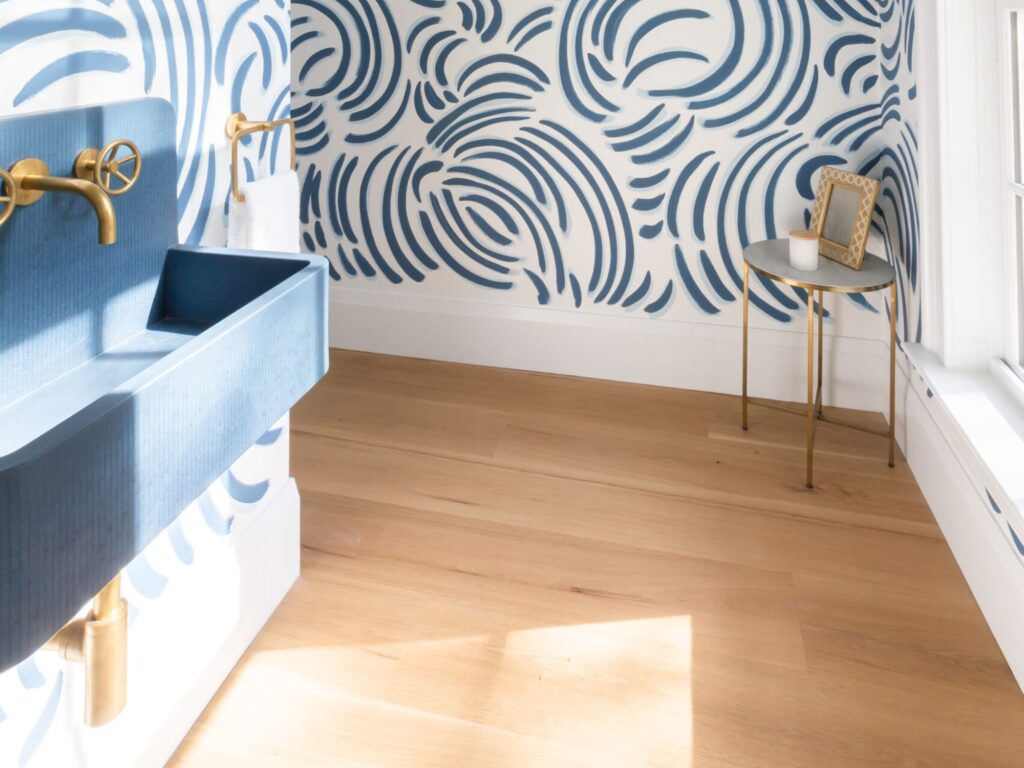
Before anything else, figure out what kind of bathroom remodel you’re actually doing. Not all bathroom renovations are the same, and the scope of your project determines your team, budget, and timeline.
A cosmetic refresh keeps everything in place. New tile, updated fixtures, fresh paint, maybe new vanity lighting. No permits, no structural work, relatively straightforward.
A mid-range bathroom renovation might involve new cabinetry, a tile shower replacement, updated plumbing fixtures, and new flooring. If plumbing stays in the same location, the process is manageable. The second plumbing moves, the budget jumps.
A full gut renovation or bathroom addition is a different project entirely and often part of a bigger whole home remodel rather than a standalone bathroom project. New layout, moved plumbing, structural changes, permits. This is where having an architect and structural engineer involved from day one makes the biggest difference.
The Steps to Remodel a Bathroom in Order
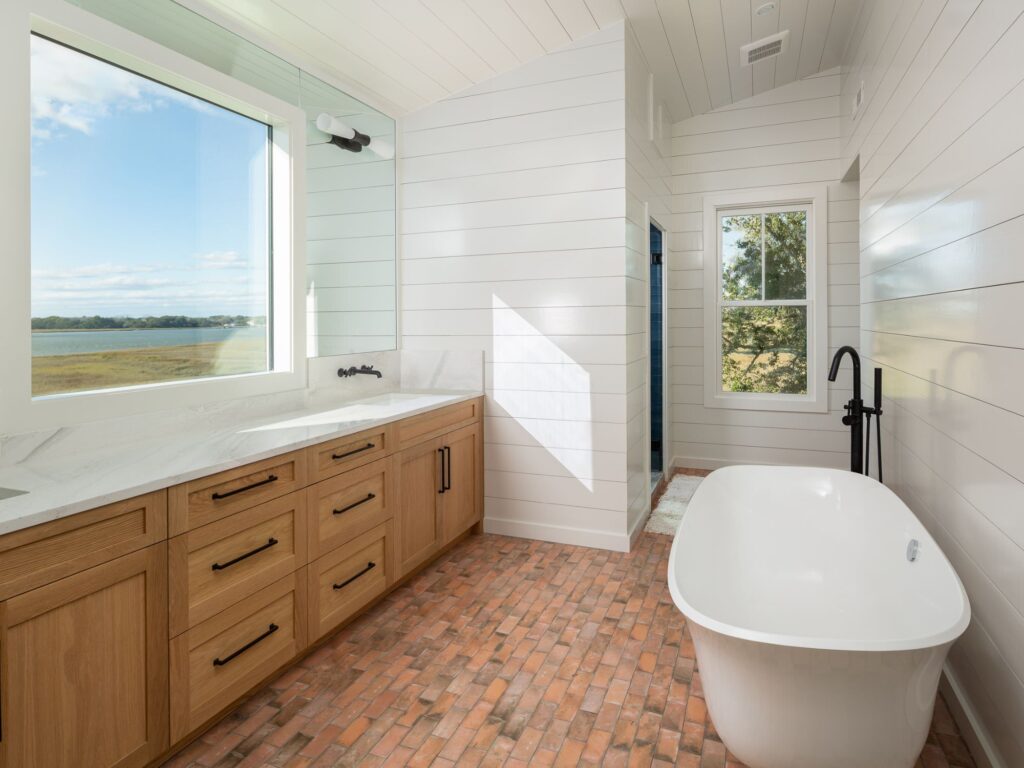
Step 1 Bathroom Remodel Budget and Cost Drivers
Cost for bathroom renovation varies more than most homeowners expect. A small bathroom remodel cost looks very different from a primary bathroom remodel cost, and a luxury bathroom renovation is its own category altogether.
What drives bathroom renovation costs up:
- Moving plumbing is the biggest one. Relocating a toilet, shower, or tub to a different part of the room adds a high cost.
- Tile complexity matters a lot. Large format tile, custom patterns, and floor to ceiling tile work all take more time and skill.
- Custom cabinetry and high end fixtures add up fast on a master bath remodel. Freestanding tubs, frameless glass enclosures, and heated floors are beautiful, but they come with a real price tag.
- Waterproofing in a coastal climate like Charleston is not somewhere to cut corners. Moisture, humidity, and salt air are hard on bathrooms. Do it right.
- Structural changes, such as adding a window, widening a doorway, or moving a wall, require architectural drawings and permits.
- Small bathroom renovations cost less simply because there’s less square footage to cover, but tight spaces have their own challenges with layout and storage.
Step 2 Build the Right Bathroom Renovation Team
For a cosmetic bathroom refresh, a skilled contractor can often lead the project. Once your bathroom renovation involves plumbing changes, structural work, layout shifts, or an addition, bring an architect in first.
An architect who offers both architectural and structural engineering services thinks about the space differently than a contractor does. How does the light move through the room? Is there a smarter layout that makes the space feel bigger? What happens structurally if that wall comes down?
For bathroom remodeling in Charleston, working with a team that understands local permitting, coastal construction requirements, and the quirks of older Charleston homes saves significant time and headaches. Contractors in Charleston, SC, who regularly work with local building departments know what reviewers look for and how to keep projects moving through the process.
When architecture and structural engineering sit under one roof, structural questions are resolved during design rather than after drawings are complete. It’s a much better way to catch problems before they turn into expensive ones.
Step 3 Design Your Bathroom Remodel
Now for the step everyone actually looks forward to. You’re talking tile, layout, lighting, fixtures. Do all of that before construction starts. NOT during it.
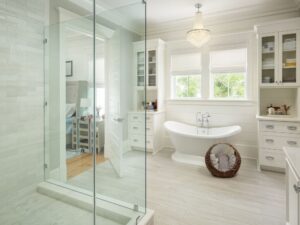
For a master bath remodel, start with how you want the space to feel day to day. A shower you actually want to spend time in. A soaking tub that makes sense for your life, not just your Pinterest board.
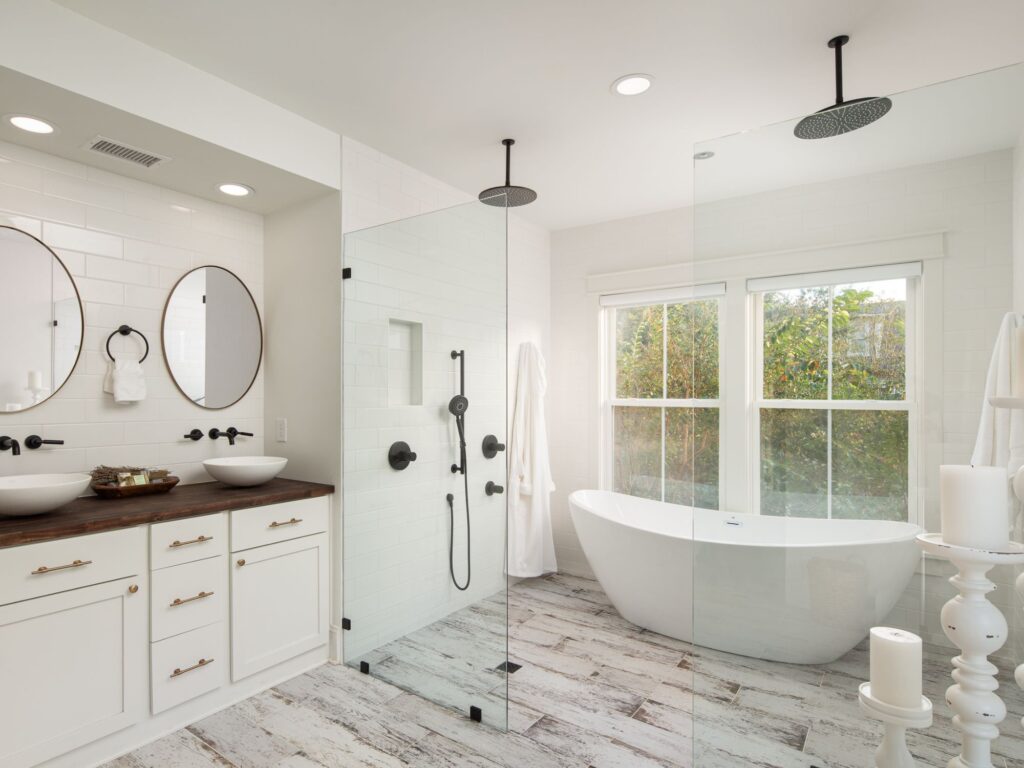
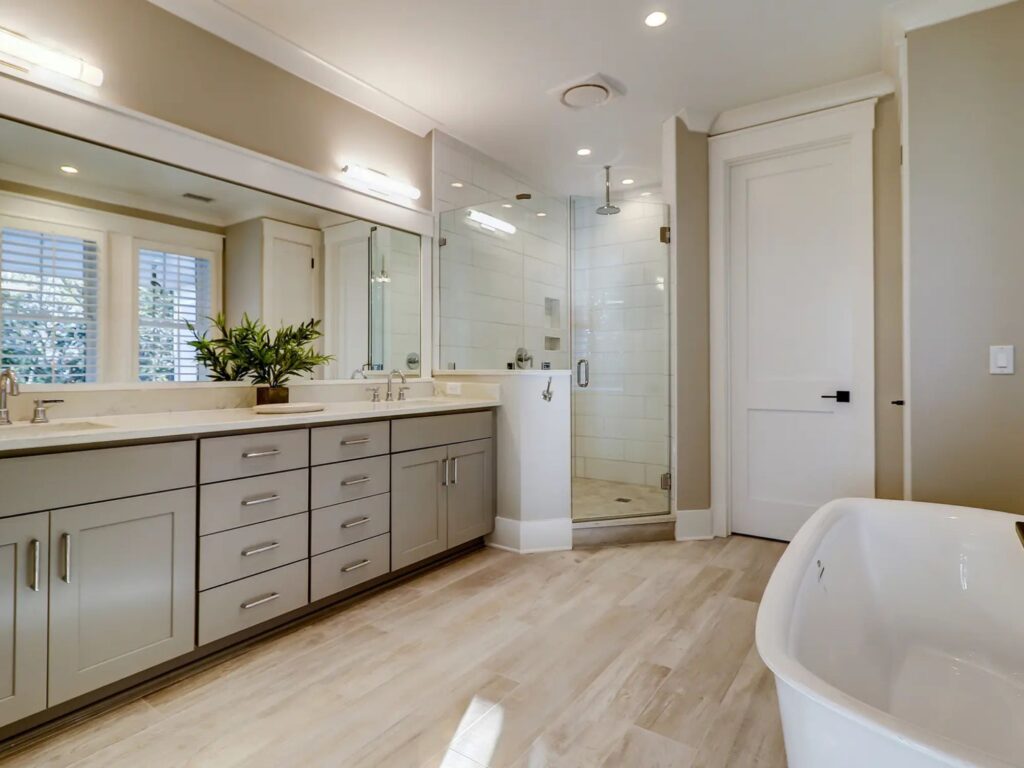
Double vanity with lots of storage. Radiant heated floors. These are the details that turn a functional bathroom into something you actually look forward to using.
Shower renovation ideas for a primary suite often center around the shower as the focal point of the room. Large format tile, a frameless glass enclosure, a linear drain, and a rainfall showerhead make a huge difference in how the space feels.
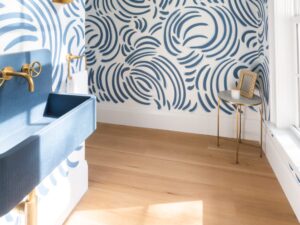
Guest bathroom remodel ideas tend to focus on making a smaller space feel polished and intentional. A well-chosen tile, a statement vanity, and good lighting go a long way in a powder or guest bath.
Coastal living is hard on bathrooms and anyone who’s owned a Charleston home for a few years knows it. Humidity and salt air are relentless. Modern bathroom remodeling in Charleston works best when material choices lead with durability. Softer palettes and natural textures look great and porcelain tile is consistently the smart call for bathroom flooring ideas in this climate. Heated floors under tile are a small luxury that goes a long way on cool Charleston mornings.
Step 4 Bathroom Remodel Permits and What You Need to Know
Do you need a permit for a bathroom remodel? The answer depends on what you’re changing.
In Charleston, permits are required for plumbing changes, electrical work, structural modifications, and any addition of a new bathroom where one didn’t exist before. A cosmetic refresh that doesn’t touch plumbing or electrical typically doesn’t require a permit. The second you’re moving a toilet or adding a bathroom addition, that changes.
Your architect handles permit drawings and submissions. Permit review in the Charleston area typically takes eight to twelve weeks. Build that into your bathroom renovation stages from the very beginning rather than treating it as something to figure out later.
Step 5 Demolition and Rough In Work
Once permits are approved, construction starts with demolition. Existing tile, fixtures, and sometimes walls come out. What’s behind those walls in an older Charleston home can be surprising. Outdated plumbing, old wiring, moisture damage. A good architect and contractor plan for contingencies rather than getting blindsided.
Rough in work follows demolition. New plumbing lines, electrical, and any structural changes happen while walls are open. Inspections occur at this stage before anything gets closed up.
Step 6 Finishes and Installation
Finishes go in during this phase and the order matters more than most people realize. Tile goes in before the vanity. Vanity goes in before plumbing trim. Plumbing trim before fixtures. Get the sequence wrong and trades end up redoing work. A good contractor stays on top of this, so nobody is stepping on each other.
Step 7 Final Inspection and Punch List
Before the project is complete, a final inspection signs off on the permitted work. Your contractor then addresses the punch list (the small items that need attention before you call the project done).
Bathroom Remodel Timelines
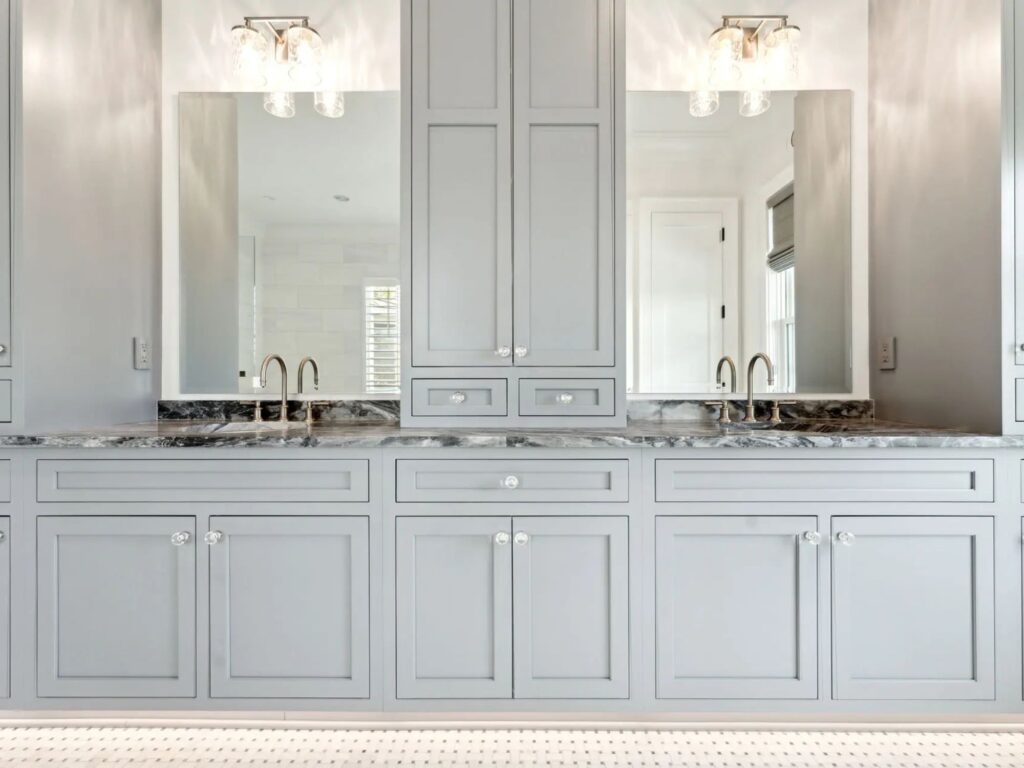
How long does it take to do a bathroom renovation? Here’s a realistic breakdown.
A cosmetic guest bathroom remodel with no structural changes takes four to six weeks of construction.
A mid-range master bath remodel with new tile, fixtures, and cabinetry, but no plumbing relocation takes six to ten weeks.
A full gut renovation or high end bathroom remodel with layout changes, custom tile, and structural work takes ten to sixteen weeks of construction, plus design and permitting time before construction ever starts.
A bathroom addition (adding a bathroom where none existed) is a more significant project. Cost to add a bathroom addition varies based on location in the home, whether plumbing is nearby, and finish level. Factor in the design process, permits, and construction and the full timeline runs five to nine months.
Steps to Remodel a Bathroom FAQs
Do you need a permit for a bathroom remodel in Charleston?
It depends on the scope. Cosmetic work with no plumbing or electrical changes typically doesn’t require a permit. Plumbing changes, electrical work, structural modifications, and new bathroom additions all require permits in Charleston. Your architect handles this and can tell you exactly what your specific project requires.
How long does it take to do a bathroom renovation?
A simple guest bathroom remodel takes four to six weeks of construction. A master bath remodel with layout changes and custom finishes takes ten to sixteen weeks of construction plus design and permit time. A full bathroom addition runs five to nine months start to finish.
What is the cost for bathroom renovation in Charleston?
Small bathroom remodel cost runs lower but tight layouts have their own challenges. Master bathroom remodel cost runs higher based on size, fixtures, and finish level. Luxury bathroom renovations with custom tile, freestanding tubs, and high end fixtures are a different category entirely. The best way to get an accurate number is detailed drawings that contractors can bid against rather than ballpark estimates.
When do I need an architect for a bathroom remodel?
Any time walls are moving, plumbing is being significantly relocated, a bathroom addition is involved, or the project touches anything structural. An architect creates permit ready drawings, coordinates structural engineering, and ensures the design is buildable before construction starts.
What makes a bathroom remodel high end?
Custom tile work, frameless glass enclosures, freestanding soaking tubs, double vanities with custom cabinetry, heated floors, and thoughtful lighting all push a bathroom into luxury territory. High end bathroom remodel projects in Charleston also tend to involve more structural work to create the layout and light quality that makes a space feel truly custom.
How do I find the right team for bathroom remodeling in Charleston SC?
Look for a residential architecture firm with renovation experience and structural engineering in house. Local knowledge of Charleston permitting, coastal construction requirements, and older home conditions matters. Bathroom remodelers Charleston SC who work regularly with the local building department and understand coastal climate requirements will save you time and money.
Ready to Start Your Bathroom Renovation in Charleston?
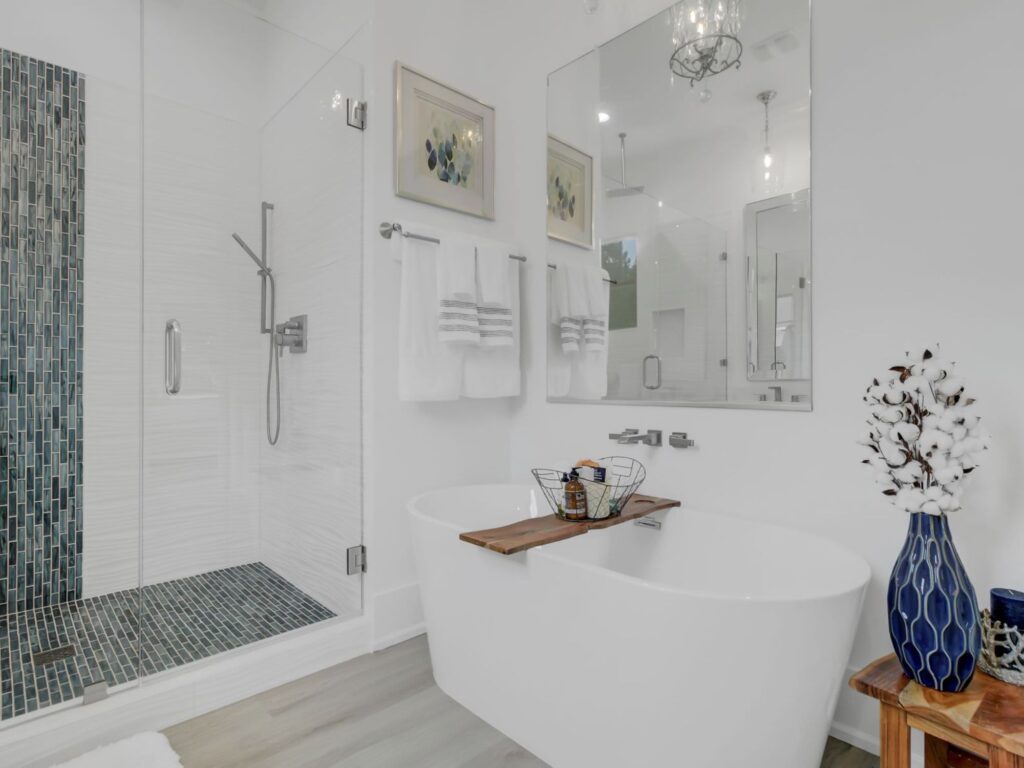
A bathroom remodel done right adds real value to your home and makes daily life better in a way that’s easy to underestimate until you’re actually living in it.
At our Charleston architecture firm, we help homeowners plan bathroom renovations from first concept through permitted, construction ready plans. Whether you’re planning a luxury bathroom renovation with structural changes or a focused guest bathroom remodel, we’ll help you build a plan that works for your home, your budget, and your timeline.
Contact us to schedule a consultation. Your dreams are our blueprint.