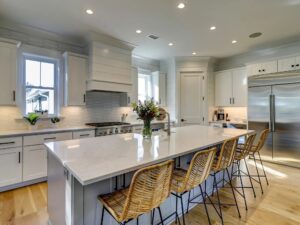
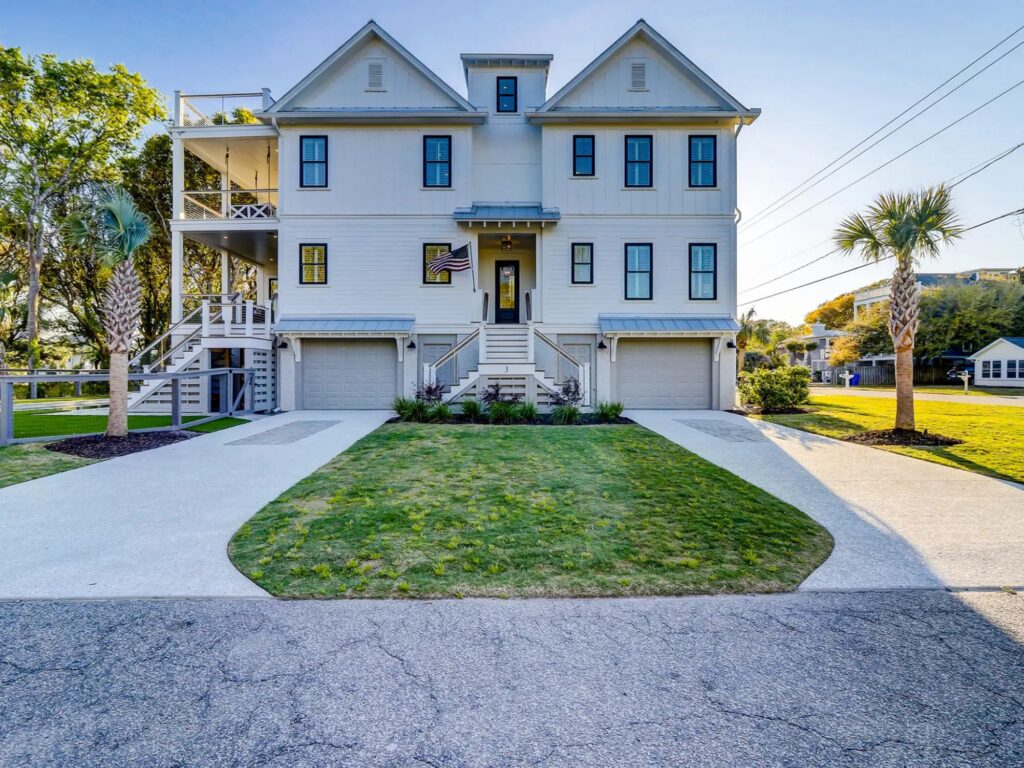
Your house works, but it doesn’t work well. The kitchen is cramped, the layout feels choppy, the bathrooms are stuck in 1995, and you’re tired of looking at popcorn ceilings. You’ve thought about tackling one room at a time, but the whole place needs help. A whole home remodel lets you fix it all at once instead of living through years of partial renovations.
What Is a Whole Home Remodel?
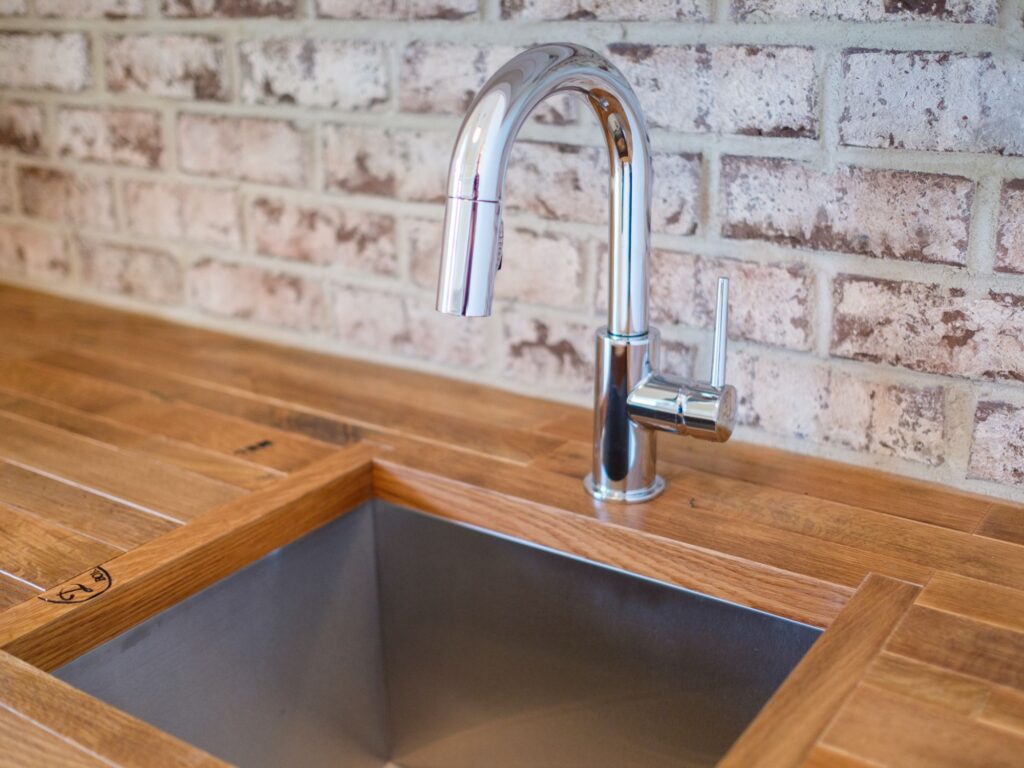
A whole home remodel means renovating your entire house in one coordinated project. You’re touching every space, making major updates to layout, finishes, and often structure and systems.
This is different from a room addition, where you’re expanding your footprint. A whole house remodel works within your existing walls, though you might move some around.
There’s a spectrum. A “gut renovation” takes the house down to studs and rebuilds from scratch. On the lighter end, you keep the bones but update kitchens, bathrooms, flooring, and finishes throughout. Both count as whole home remodeling if you’re addressing the entire house in one plan.
When Does It Make Sense
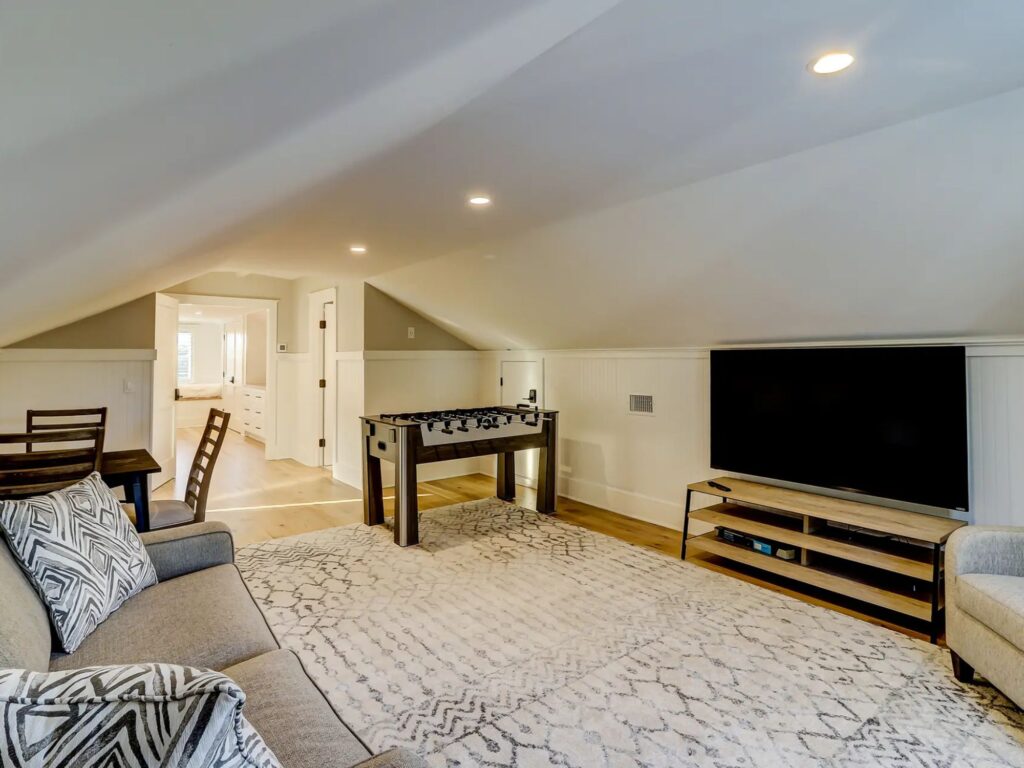
You don’t need to remodel everything just because one bathroom is outdated. But there are times when doing it all at once is smarter.
Consider a whole house remodel if:
- Your layout doesn’t work anymore. Maybe you need a home office now, the kids want their own spaces, or you’re caring for aging parents. That closed-off floor plan from 2010 feels cramped and dark.
- Everything is dated. If your kitchen, bathrooms, flooring, and lighting all need work, updating them one at a time means years in a construction zone.
- Major systems need replacement. When HVAC, electrical, and plumbing are all reaching end of life, replace them while walls are already open.
- You love the location but not the house. A complete home renovation can give you what you want without selling and buying in today’s market.
- You want design cohesion. Room by room updates create a disjointed house. A whole home remodel creates flow.
When You Need an Architect for a Whole House Remodel
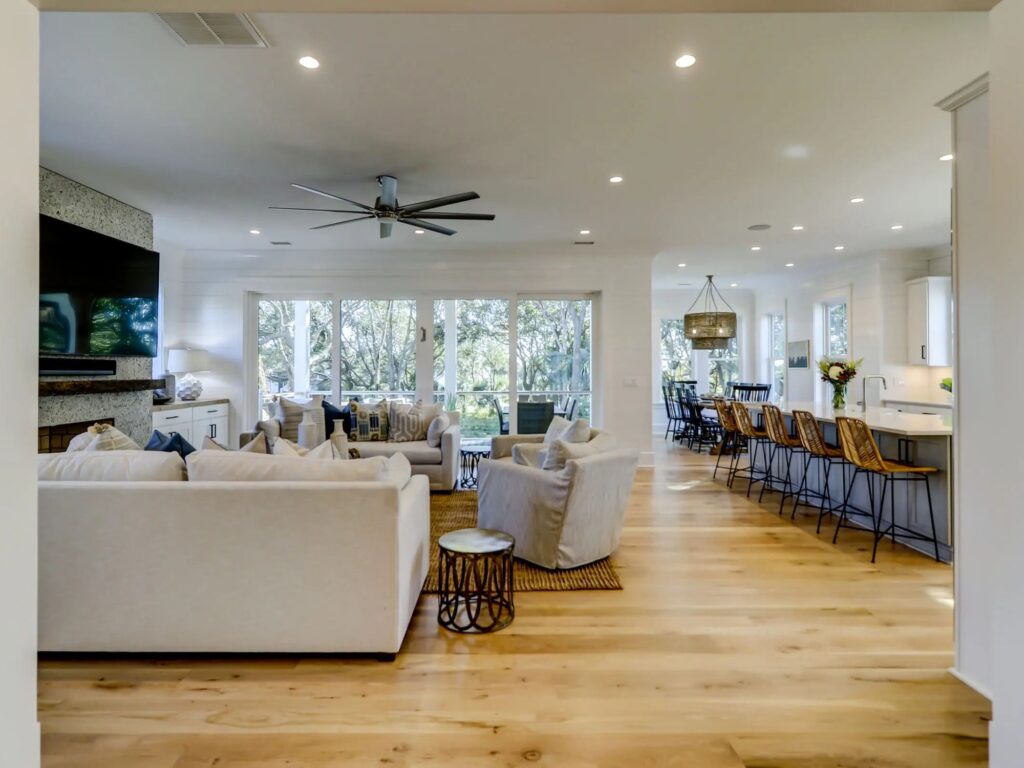
You need a home renovation architect for a whole home remodel. You’re not just picking finishes – you’re rethinking how your entire house works.
An architect sees the big picture. They understand structure, navigate building codes, and create a design plan that ties everything together. They think about flow between spaces, natural light, storage, and how to make structural changes safely.
They’ll help you figure out which walls can come down, where to add windows, how to rework stairs, and how to create that open kitchen without the house feeling like a gymnasium.
In Charleston, you’ll also need an architect for permitting and architectural review board approvals. An architect who knows the local process saves major headaches.
Structural and Engineering Considerations
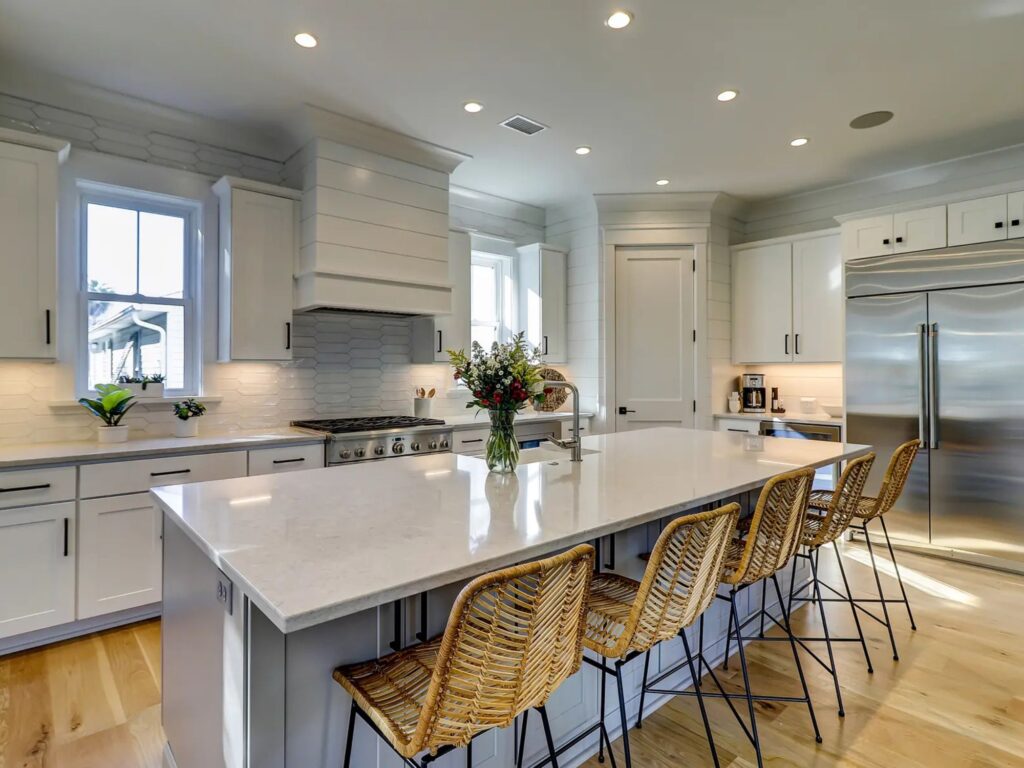
Every whole home remodel involves structural decisions. You’re probably moving walls, opening up spaces, or dealing with an old house that’s settled over time.
Common structural work includes removing load bearing walls (which requires new beams to carry those loads), changing or relocating stairs, addressing sagging floors or foundation issues, adding or removing windows and doors, second-story changes that affect the floor below, etc.
Here’s where having both architecture and structural engineering in house makes a huge difference. At Coastal Creek Design, our architects and structural engineers work together from day one. They’re in the same office, solving problems together, catching issues early.
This integrated approach means fewer surprises during construction, smoother permit approvals, and a house that’s both beautiful and structurally sound.
Whole Home Remodel Costs
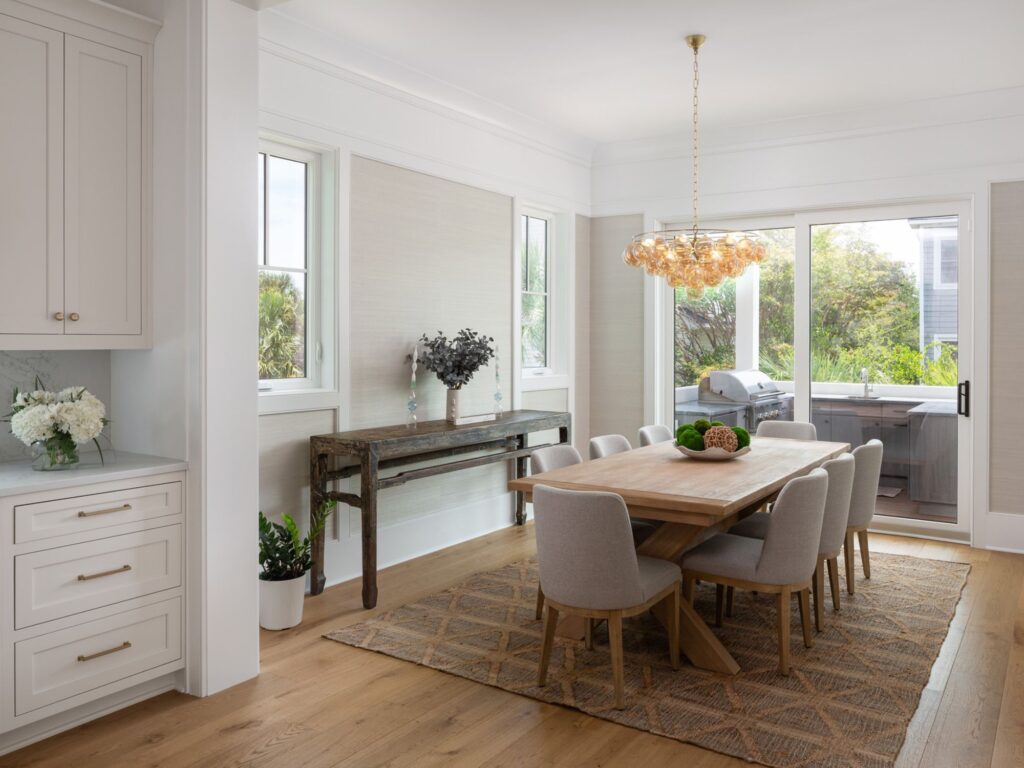
Understanding home renovation costs is essential before you start. How much does a whole home remodel cost? It varies wildly based on size, scope, age of your home, and how much you’re changing.
What drives up whole house remodel cost
- Size (a 1,500 sq ft house costs less than 3,500 sq ft).
- Scope of work (gut renovation costs more than cosmetic updates).
- Kitchens and bathrooms (the most expensive rooms).
- Structural changes (opening walls, moving stairs, adding beams).
- Age and condition (older homes have surprises in the walls – outdated wiring, bad plumbing, foundation issues).
- Finishes and fixtures (builder-grade vs high-end).
- Location (Charleston’s coastal requirements and historic district restrictions affect cost).
Talk to an architect early. They’ll help you set a realistic budget and show you where to make smart choices that save money without sacrificing quality. Good plans mean fewer change orders during construction, which is where budgets really get blown.
The Remodel Process
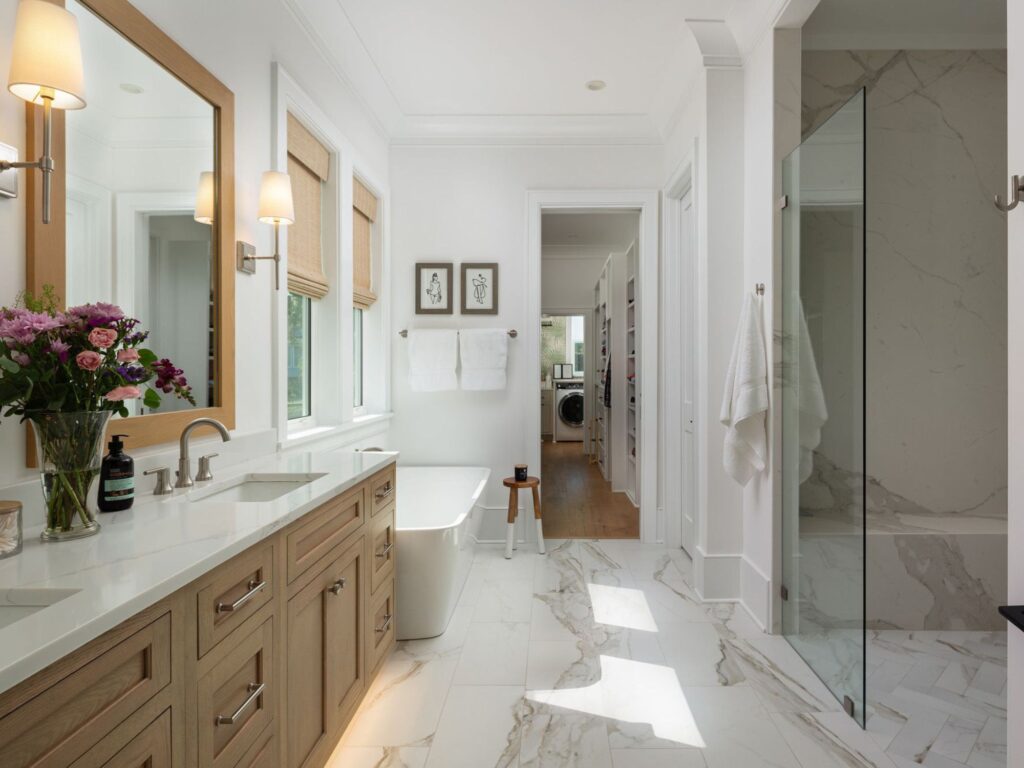
- Design and planning – Work with your architect to develop plans for the entire house. The structural engineer develops structural plans in parallel.
- Permits and approvals – Your architect submits plans to the building department and any required architectural review boards. Permit review typically takes 8-12 weeks in Charleston.
- Demolition – Contractors remove what’s being replaced and expose the structure.
- Structural work – Install new beams, address foundation issues, frame new openings.
- Rough in work – New HVAC, plumbing, and electrical get roughed in while walls are open. Inspections happen here.
- Insulation and drywall – Close up walls and prepare surfaces.
- Finishes – Install flooring, cabinets, countertops, tile, paint, trim, lighting, fixtures.
- Final inspections – Building department signs off.
At Coastal Creek Design, we typically complete design plans within 56 days. Add 8-12 weeks for permits, then construction time varies based on your project’s scope. The more extensive the renovation, the longer construction will take.
Can You Live in Your Home During a Remodel?
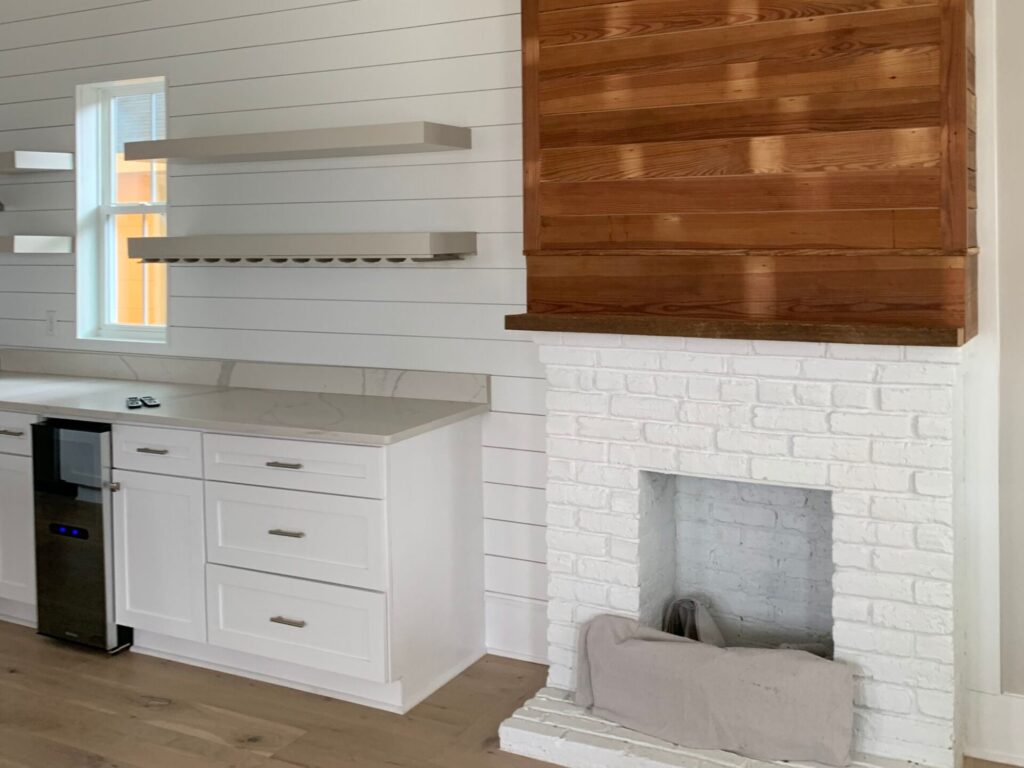
This depends on scope and your tolerance for disruption.
For a gut renovation, living in the house isn’t realistic. No functioning kitchen, bathrooms torn apart, dust everywhere, safety concerns.
For less invasive whole home remodeling where you’re updating finishes but keeping systems mostly intact, some people stay. It’s loud, messy, and inconvenient, but possible.
Many homeowners rent temporarily. Yes, it’s added cost, but contractors can work longer hours without working around your schedule. The project finishes faster, which can save money.
If you’re phasing work to stay in the house, your architect can create a sequence that keeps at least one bathroom and basic kitchen function available.
Entire Home Remodel vs Room By Room Updates
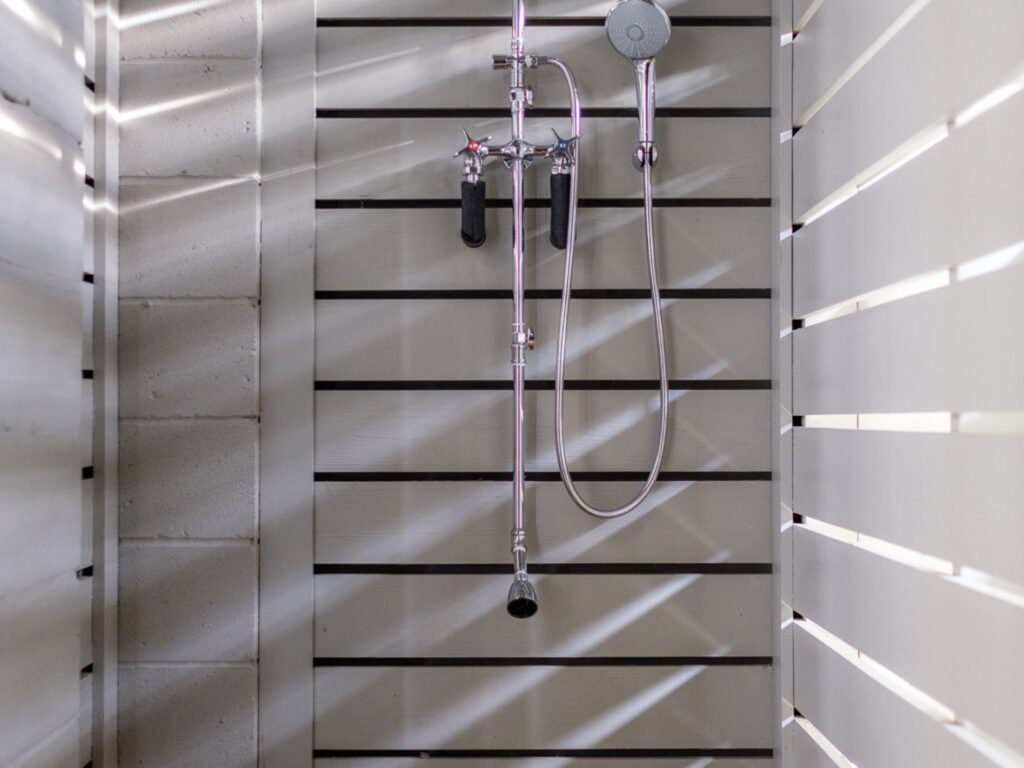
Why not just tackle one room at a time?
- Pros of a full home remodel
- Design cohesion across the entire house.
- Faster timeline – live through construction once instead of years.
- Better cost efficiency – doing everything at once often costs less than mobilizing multiple times. Systems get updated together while walls are already open.
- Pros of room by room
- Smaller upfront cost spread over time.
- Less disruption at once.
- More flexibility to adjust plans as you go.
- The verdict – If you need major structural changes, system updates, or cohesive design throughout, a whole house renovation makes more sense. If you have time and just want to gradually freshen things up, room-by-room works.
Common Whole Home Remodel Mistakes
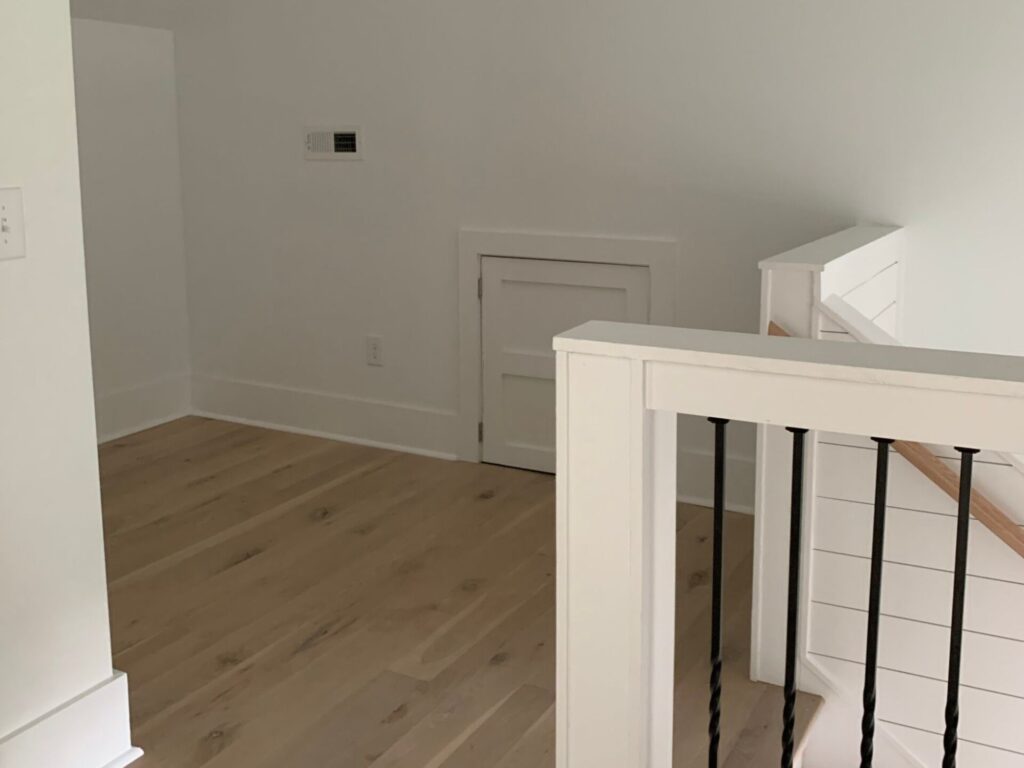
- Starting without a complete plan – The biggest mistake is diving in without thinking through the entire house. A master plan from an architect prevents you from removing a kitchen wall, then realizing six months later you should have moved that bathroom door.
- Underestimating budget and contingency – Whole home remodels cost more than expected, especially in older homes. Budget for a 15-20% contingency.
- Not addressing structure and systems while walls are open – If walls are open, fix that foundation crack, replace old wiring, and upgrade HVAC. Don’t close walls and regret it later.
- Mixing too many styles – Pick a design direction and stick with it throughout for a cohesive house.
- Choosing contractors before design is done – Get complete plans first so contractors can bid accurately.
- Poor communication – Stay engaged with your architect and builder. Clear communication keeps projects moving.
Frequently Asked Questions
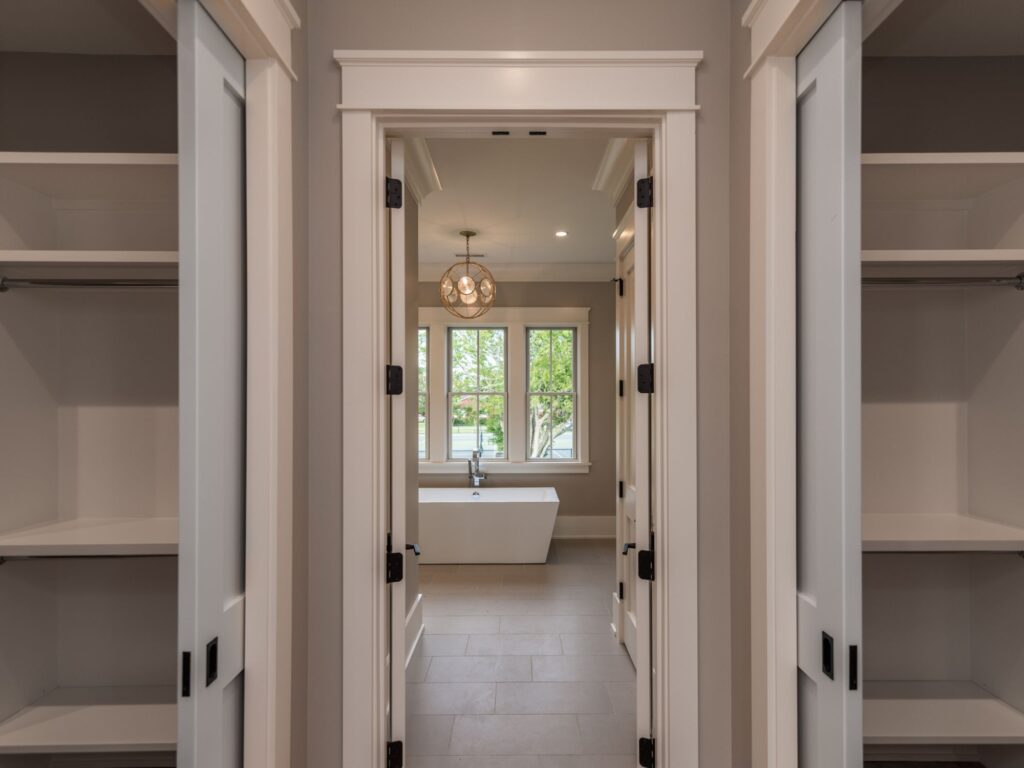
Is a whole home remodel worth it?
For many homeowners, yes. If you love your location and neighborhood but your house doesn’t work for how you live now, a complete home remodel gives you what you want without moving. It also adds significant value if the home was outdated or had layout issues.
How long does it take to remodel your entire home?
Timeline depends on the scope of your project. Design and permitting take 4-5 months (at Coastal Creek Design, we complete plans in 56 days, then permits add 8-12 weeks). Construction timelines vary – a straightforward update will move faster than a complete gut renovation. Your architect can give you a more accurate timeline once they understand your specific project.
How much does a whole home remodel cost?
House renovation cost varies widely depending on the size of your home, what you’re changing, and your finish selections. A cosmetic refresh costs far less than a gut renovation with major structural work. Multiple bathrooms and a full kitchen overhaul will significantly impact your budget. The best approach is to work with an architect early in the process. They’ll help you develop a realistic budget based on your specific house, your goals, and what you’re trying to accomplish.
Do I need an architect for a whole house remodel?
Yes. A whole home remodel involves structural changes, systems updates, code compliance, and design decisions affecting your entire house. An architect creates the master plan that makes everything work together and handles permitting and approvals.
Should I remodel my Entire house or move?
Consider remodeling if you love your location, lot, and neighborhood, but your house layout or condition doesn’t work. Consider moving if your house is fundamentally the wrong size, you need a different school district, or renovation costs approach buying something that already fits your needs.
Do I need a structural engineer?
Yes. Whole house renovations almost always involve structural work. A structural engineer ensures changes are safe and meet code. Firms with both architecture and structural engineering in-house offer faster timelines and better-integrated designs.
Ready to Start?
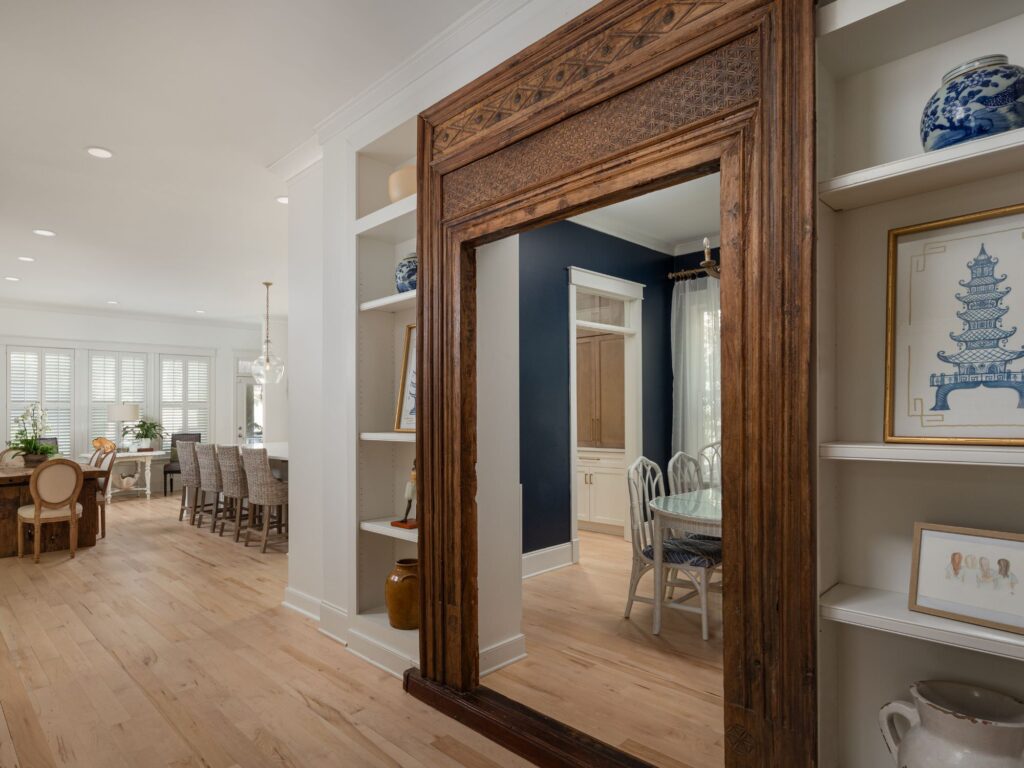
Our Charleston architecture firm specializes in whole home renovations throughout the Lowcountry. Our approach combines architecture and structural engineering under one roof, so your entire home remodel gets designed with both beauty and structure in mind from day one.
You want design cohesion. Room by room updates create a disjointed house. A whole home remodel creates flow. Learn more about planning your custom home renovation.
Contact us today to schedule a consultation. We’ll walk through your home, discuss your goals, and help you understand what it takes to transform your entire house.