Planning a custom home renovation is exciting, but it can also feel overwhelming. Should you hire an architect? Do you need a structural engineer? Can’t your contractor just figure it out?
If you’re planning more than cosmetic updates (like removing walls, adding square footage, or reimagining your home’s layout) the answer is almost always yes, you need professional design help. But not all renovations are created equal, and understanding the difference between a basic remodel and a true custom home renovation can save you thousands of dollars and months of headaches.
Our guide breaks down what custom home renovation really means, when you need an architect, and why having an integrated architect and structural engineer on your team makes complex renovations safer, faster, and better.
What Is a Custom Home Renovation?
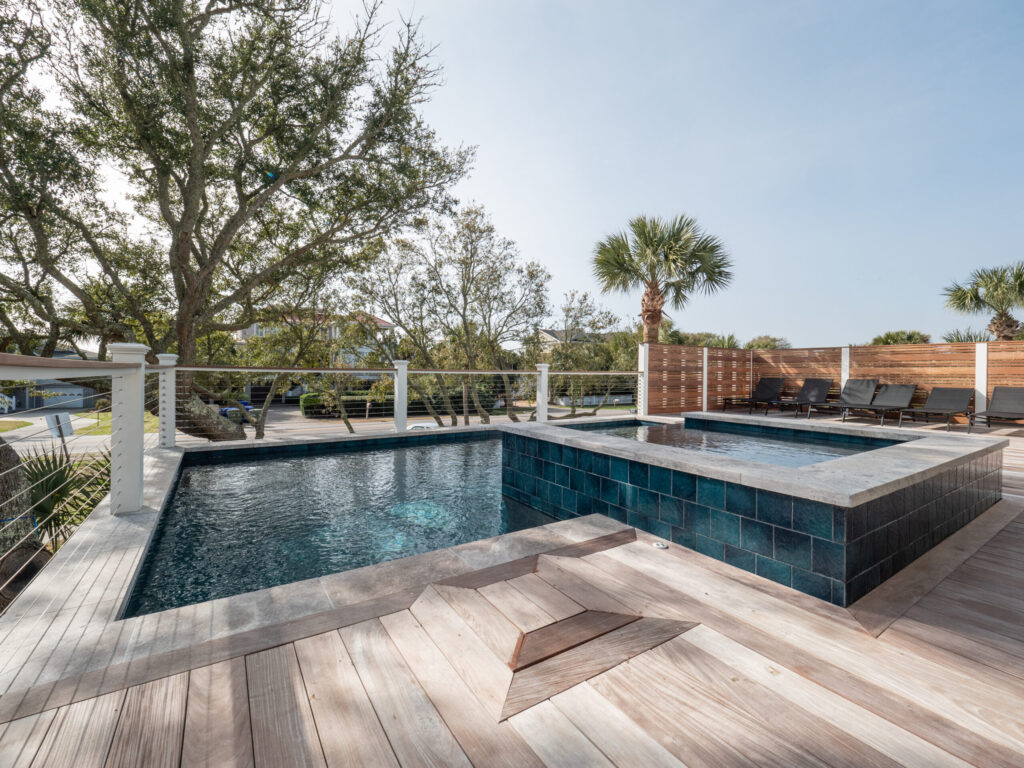
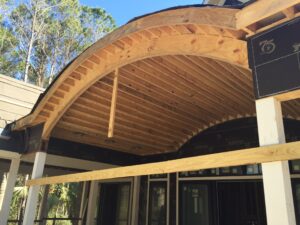
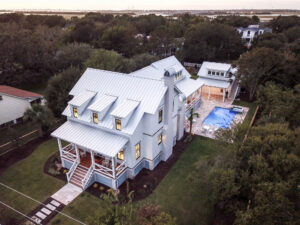
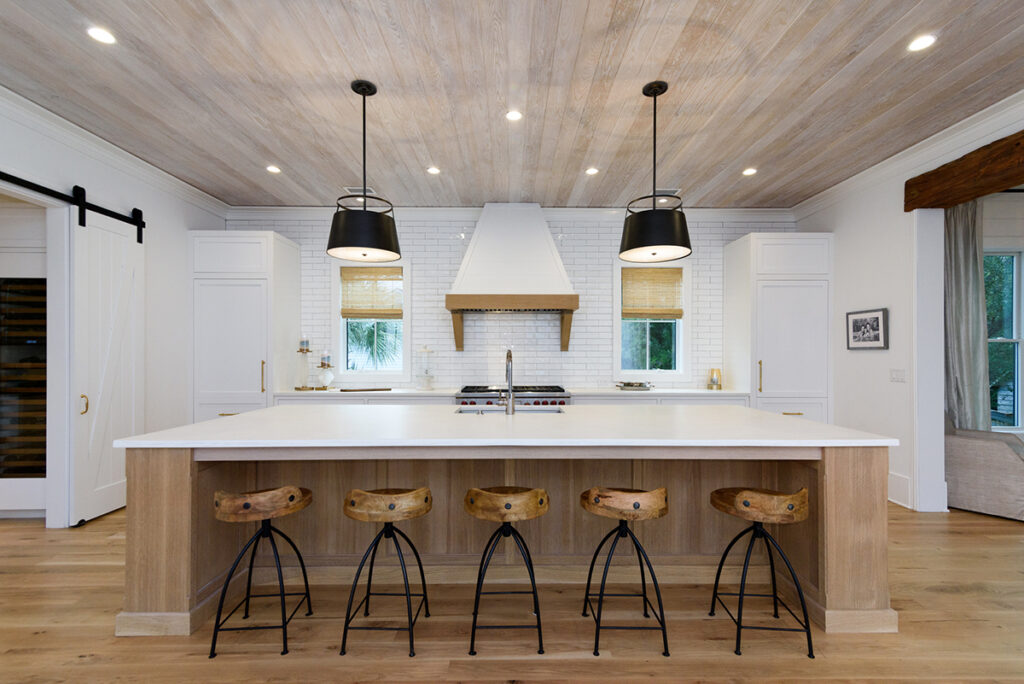
A custom home renovation goes beyond swapping out finishes or updating fixtures. We’re talking about things like structural changes, moving walls around, and adding space that genuinely changes how you live in your home. Yeah, it can be a lot!
Basic remodeling might include things like
- New kitchen cabinets and countertops
- Updated bathroom fixtures
- Fresh paint and flooring
- Replacing windows or doors in existing openings
Custom home renovation typically involves
- Removing walls to create open floor plans
- Adding space (whether that’s a bump out, full addition, or second story)
- Changing your roofline or exterior architecture
- Rethinking how rooms connect and flow
- Upgrading major systems (HVAC, electrical, moving plumbing around)
- Structural work for larger openings or spans
You’re probably thinking, okay, so what’s the key difference? Custom home renovations require architectural design and structural engineering because they affect your home’s bones, not just its cosmetic appearance.
When You Need an Architect for Your Custom Home Renovation
Not every home improvement project requires an architect, but certain types of renovations absolutely do. You likely need a home renovation architect if your project includes any of the below.
Major Layout Changes
Opening up walls between the kitchen and living room, creating a great room, or reconfiguring multiple spaces to improve flow all require design expertise and structural knowledge.
Home Additions
Whether it’s a sunroom, master suite, or second story, additions need careful integration with your existing home’s structure, roofline, and aesthetic. A whole house renovation that adds significant square footage requires coordination between design vision and structural reality.
Hiring a Home Addition Architect
If you’re adding square footage to your home, an architect for home addition projects ensures proper integration with your existing structure, handles permitting, and coordinates with structural engineers to create seamless transitions between old and new spaces.
Removing Load-Bearing Walls
That wall you want gone might be holding up your second floor or roof. An architect works with structural engineers to determine what’s possible and how to safely redistribute loads.
Historic Home Renovations and Old Home Renovation Projects
Older homes have quirks. An architect experienced in historic preservation knows how to modernize while respecting original character and navigating historic district regulations.
Exterior Changes
Altering your home’s exterior (adding dormers, changing window sizes, modifying the roofline) requires both design skill and knowledge of local building codes and architectural review boards.
Complex Projects Involving Multiple Trades
When your whole home remodel involves relocating plumbing, rerouting HVAC, upgrading electrical, and structural changes all at once, an architect coordinates these elements into a cohesive plan.
What a Custom Home Renovation Architect Actually Does
Many homeowners assume architects just draw pretty pictures. In reality, a home renovation architect serves as both designer and project quarterback.
Space Planning and Flow
Architects analyze how you actually live in your home and design layouts that improve function, natural light, and movement between spaces.
Structural Coordination
Good architects don’t design in a vacuum. They work closely with structural engineers from the start to ensure design ideas are buildable and safe.
Permitting and Approvals
Architects prepare the construction documents needed for building permits and navigate local requirements, from zoning to architectural review boards.
Builder Coordination
The more detailed your plans are, the more accurately builders can bid and build. Which means fewer “oh by the way, this is going to cost more” conversations.
Problem-Solving
Every renovation uncovers something unexpected. That’s just how it goes. A good architect can adapt the design on the fly to work with existing conditions without compromising what you’re trying to achieve.
Why Integrated Architect and Structural Engineer Teams Make Sense

Here’s where many renovation projects run into trouble – the architect designs a beautiful space, sends plans to an outside structural engineer, who then says “that won’t work structurally,” and you’re back to square one.
The typical separate consultant model
- Architect creates design
- Design goes to independent structural engineer for review
- Engineer identifies structural problems
- Architect revises design
- Multiple rounds of back and forth add weeks to timeline
- Homeowner faces unexpected design compromises
An integrated approach (like Coastal Creek Design uses)
- Architect and structural engineer collaborate in real-time during design
- Structural feasibility gets addressed immediately
- Fewer surprises and redesigns
- Faster turnaround on complete, permit-ready plans
- Better cost control because structural realities shape design from day one
For big projects like open concepts, additions, or major structural work, this integrated approach typically cuts 3-4 weeks off your timeline and prevents those costly mid-project redesigns nobody wants to deal with.
The Custom Home Renovation Process – What to Expect
Understanding how the design process works helps you plan better and sidestep the mistakes that trip up most homeowners.
So, what does an architect actually do?
Discovery and Planning
Your architect may visit your home, discusses your goals and budget, and evaluates existing conditions. For renovations, this includes measuring the existing structure and sometimes exploratory work to understand what’s hidden in walls and floors.
Concept Design
The architect develops initial design options showing different approaches to your space. This is where you explore possibilities before committing to detailed plans.
Design Development
Once you’ve selected a direction, the architect refines the design, working out all the details of layout, materials, and finishes.
Structural Engineering
What does a structural engineer do during this process? The structural engineer designs the foundation work, framing modifications, beam sizes, and connections needed to support your renovation safely.
Construction Documents
Complete, detailed plans go to contractors for bidding and to the building department for permits. Quality construction documents lead to more accurate bids and smoother construction.
Permitting
Your architect submits plans to local building departments and addresses any review comments. For whole home remodeling projects, permit review typically takes 8-12 weeks.
Construction Support
Many architects provide periodic site visits during construction to answer questions and verify that work matches the design intent.
Common Mistakes Homeowners Make with a Custom Home Renovation
Starting with a Contractor Only
Contractors build what you give them, but most aren’t trained designers. Starting design with your contractor often leads to functional compromises or missed opportunities.
Skipping the Structural Engineer
“The contractor said we don’t need an engineer” is a red flag. If you’re touching load bearing walls, adding square footage, or cutting large openings, you need an engineer. This isn’t optional – it’s about keeping your house safe and up to code.
Not Planning for Permits
Unpermitted work comes back to haunt you when you sell, and you might end up tearing things out and redoing them properly. Permit costs are cheap compared to that mess.
Underestimating the Timeline
Quality design takes time. Rushing the design phase leads to mistakes that are expensive to fix during construction.
Choosing Based on Price Alone
The cheapest architect or contractor often costs more in the end through change orders, delays, and quality issues.
Budgeting for Your Custom Home Renovation
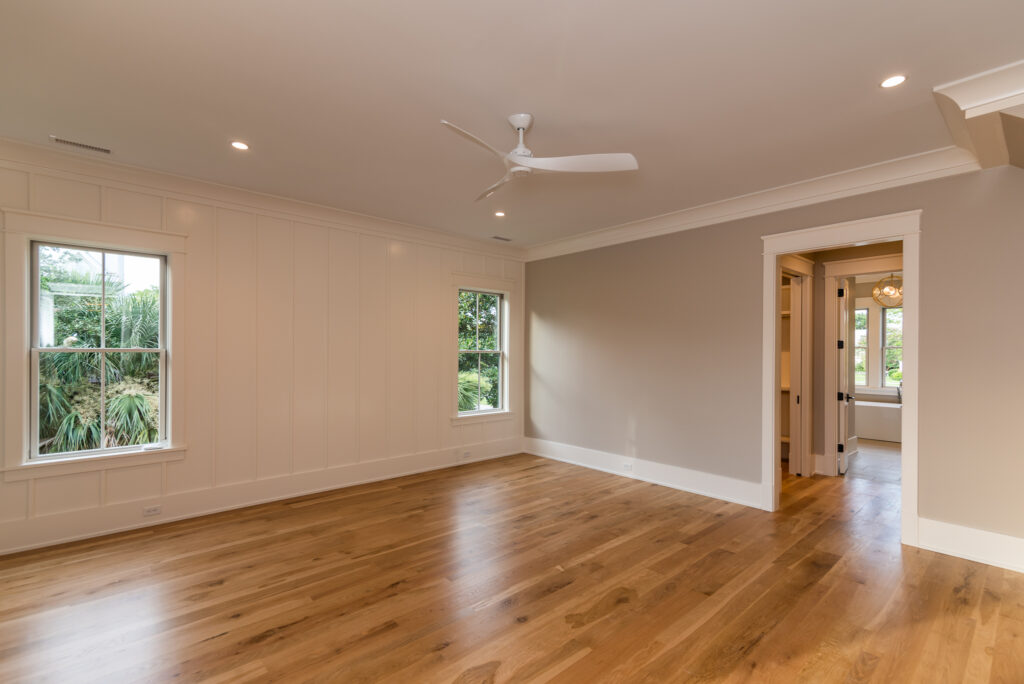
Architect fees for custom home renovations typically run 10-12% of construction costs for new additions or 12-15% for complex whole house remodel or luxury home renovation projects. This covers design, construction documents, structural engineering coordination, and permitting support.
Yes, it’s an investment. But quality design typically pays for itself.
- Preventing expensive mistakes and rework
- Creating accurate plans that lead to competitive contractor bids
- Maximizing your budget through smart material and space decisions
- Avoiding change orders from incomplete or vague plans
When A Custom Home Renovation Beats Building New
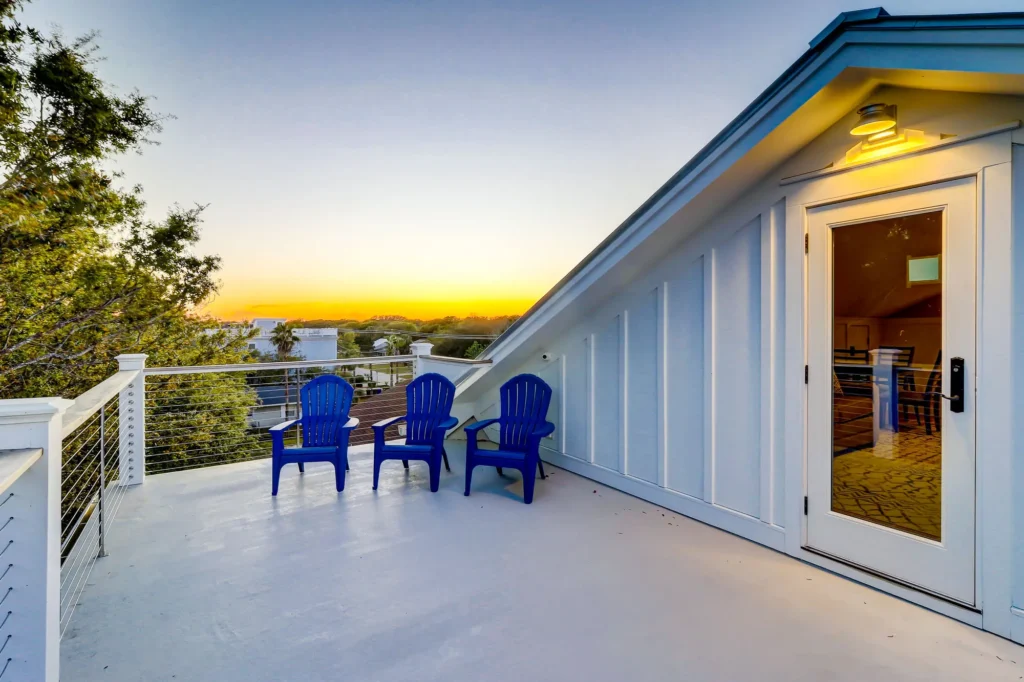
Sometimes renovation makes more sense than tearing down and starting over.
Location
You can’t rebuild your perfect neighborhood or school district. If you love where you live, that alone might make renovation the winner.
Historic Character
Original details like heart pine floors, old growth timber, and period architecture are impossible to replicate. Once they’re gone, they’re gone.
Budget
Renovation can actually cost less than building new, especially if your foundation, roof, and major systems are still in good shape.
Sustainability
Tearing down and rebuilding wastes all the energy that went into your existing structure. Renovating is the greener choice.
Permitting Quirks
In some areas, your existing home gets grandfathered in for lot coverage, setbacks, or height rules that would prevent new construction. That can change everything.
Finding the Right Team for Your Custom Home Renovation
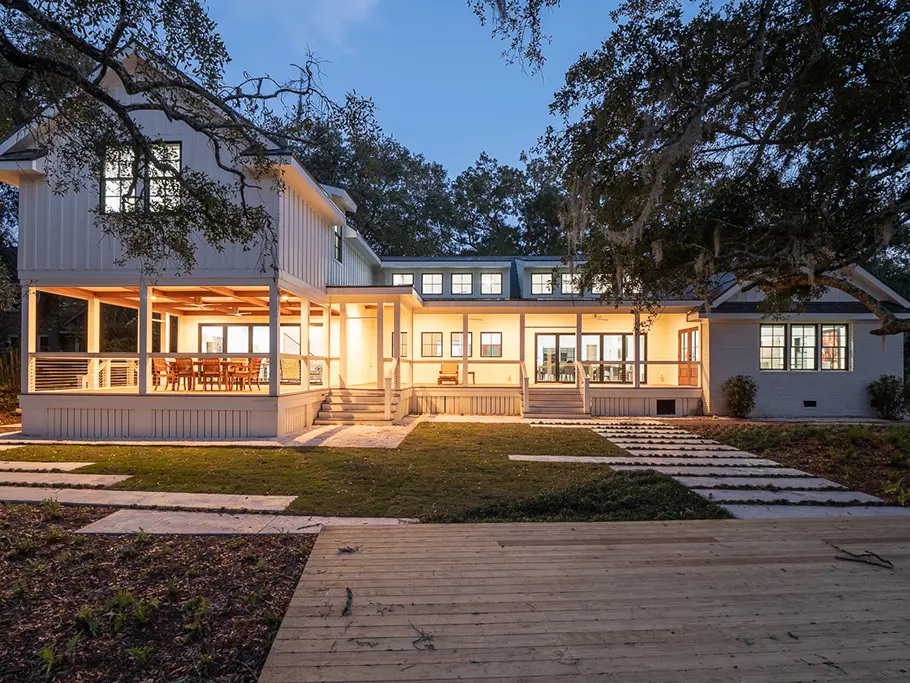
Look for an architect or firm that:
- Specializes in residential renovations (not all architects do). Unlike general custom remodelers who focus primarily on execution, look for firms that integrate design thinking with technical expertise.
- Has structural engineering in house or maintains close working relationships with structural engineers
- Shows you completed home renovation projects similar to yours in scope and style
- Explains their process clearly and commits to realistic timelines
- Understands local building codes, permit requirements, and any historic district regulations
For Charleston area homeowners, architecture firms familiar with coastal construction requirements, flood zone regulations, and historic district guidelines will save you time and prevent costly missteps.
Custom Home Renovation FAQs

What is a custom home renovation?
A custom home renovation involves significant structural or layout changes to your home beyond cosmetic updates, typically requiring architectural design and structural engineering.
Do I need an architect for a custom home renovation?
If your renovation includes removing walls, adding square footage, changing your home’s exterior, or making major layout modifications, yes, you need an architect to design the work and coordinate with structural engineers.
What does a home renovation architect do?
A renovation architect designs your new space, coordinates with structural engineers, prepares construction documents and permit applications, and helps solve problems that arise during construction.
What is the difference between a remodel and a custom home renovation?
A remodel typically updates finishes and fixtures within existing spaces. A custom home renovation changes your home’s structure, layout, or footprint and requires professional design and engineering.
How much does it cost to hire an architect for a home renovation?
Architect fees typically run 10-15% of construction costs depending on project complexity, covering design, structural coordination, construction documents, and permitting support.
When should I involve an architect in my renovation project?
Before you talk to contractors. An architect helps you understand what’s possible, develops a clear design, and creates detailed plans that contractors can bid accurately.
Do I need a structural engineer for my renovation?
If you’re removing or modifying walls, adding square footage, changing roof framing, or making any changes to your home’s structure, yes, you need a structural engineer.
How long does a custom home renovation design take?
Most residential renovation designs take 8-12 weeks from initial consultation to complete permit ready plans. That can change a bit based on how complex your project is and how fast you’re able to review designs.
Can an architect help me stay on budget during a renovation?
Yes. Architects help you make informed decisions about where to invest and where to save, and detailed plans prevent expensive surprises and change orders during construction.
Ready to Discuss Your Charleston Custom Home Renovation Project?
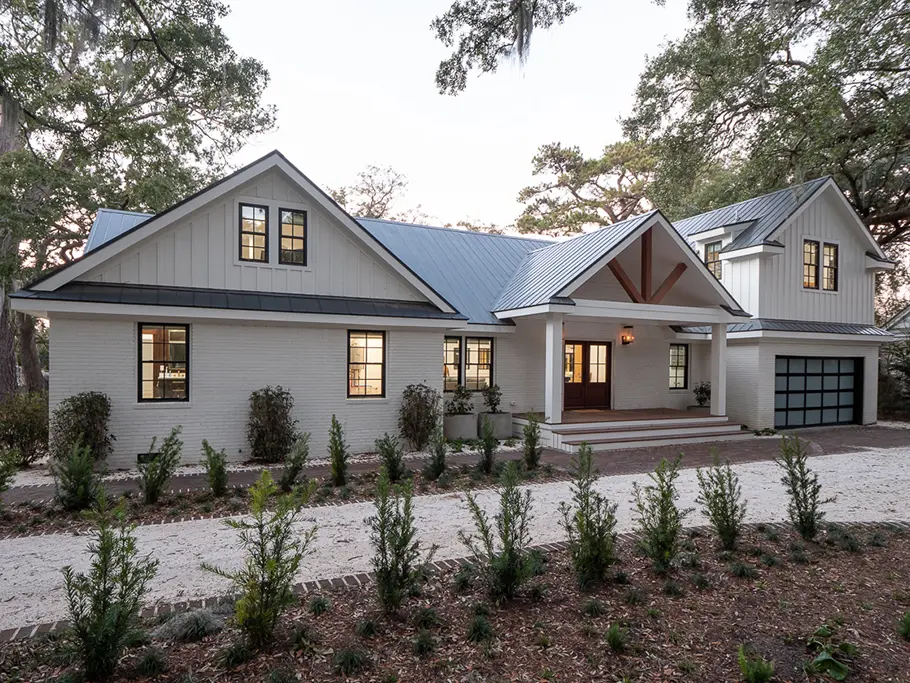
Contact Coastal Creek Design to schedule a consultation. We’ll walk you through how our integrated architect and structural engineer team can help make your renovation smoother and more successful. Your dreams are our blueprint!