You found the lot. It’s in an established neighborhood you love, surrounded by homes with real character, and you want to build something new on it. The worry is almost always the same. How do you put up a new house without it looking like it landed from another planet? That’s the heart of good infill housing, building something fresh on a lot inside an already built neighborhood so it belongs there instead of fighting everything around it. It takes more thought than building on open land. But done well, no one driving past should be able to tell which house is the new one.
Key Takeaways
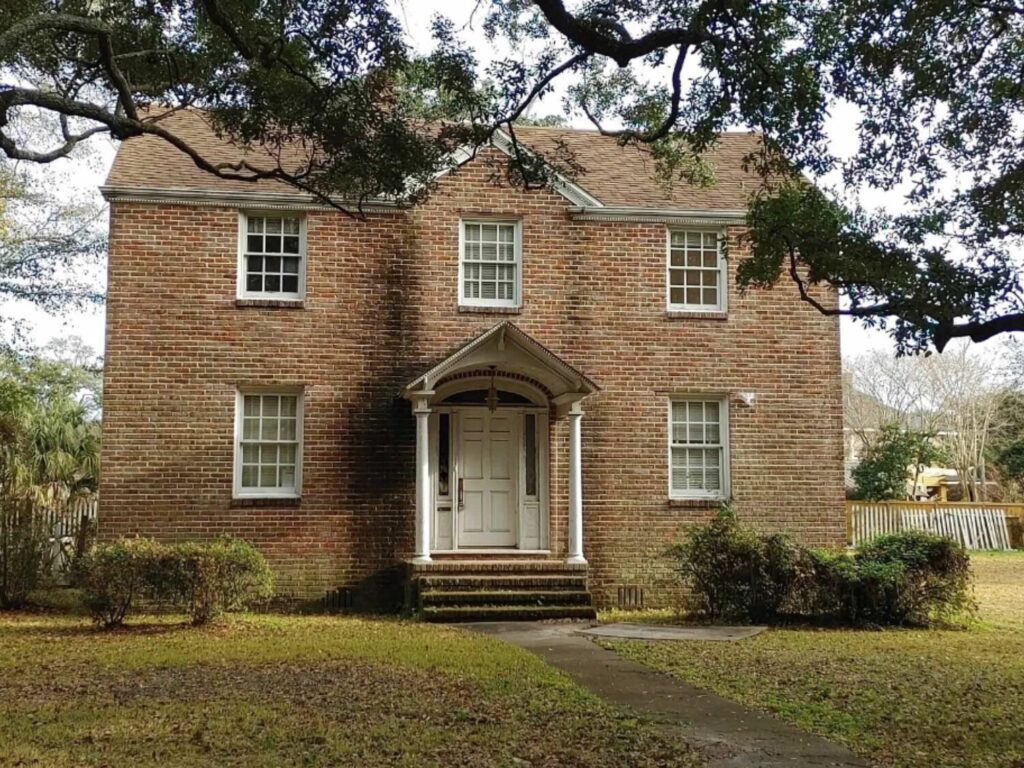
- Infill housing means building new on a lot inside an established neighborhood, where fitting in matters more than maxing out square footage.
- Scale, materials, and rooflines do most of the heavy lifting when you want a home to belong on its block.
- Whether it’s a new build or a second story addition, the design has to work with the proportions already on the street.
- Charleston’s older neighborhoods each have their own look, from the downtown single house to West Ashley’s bungalows.
What Infill Housing Actually Means
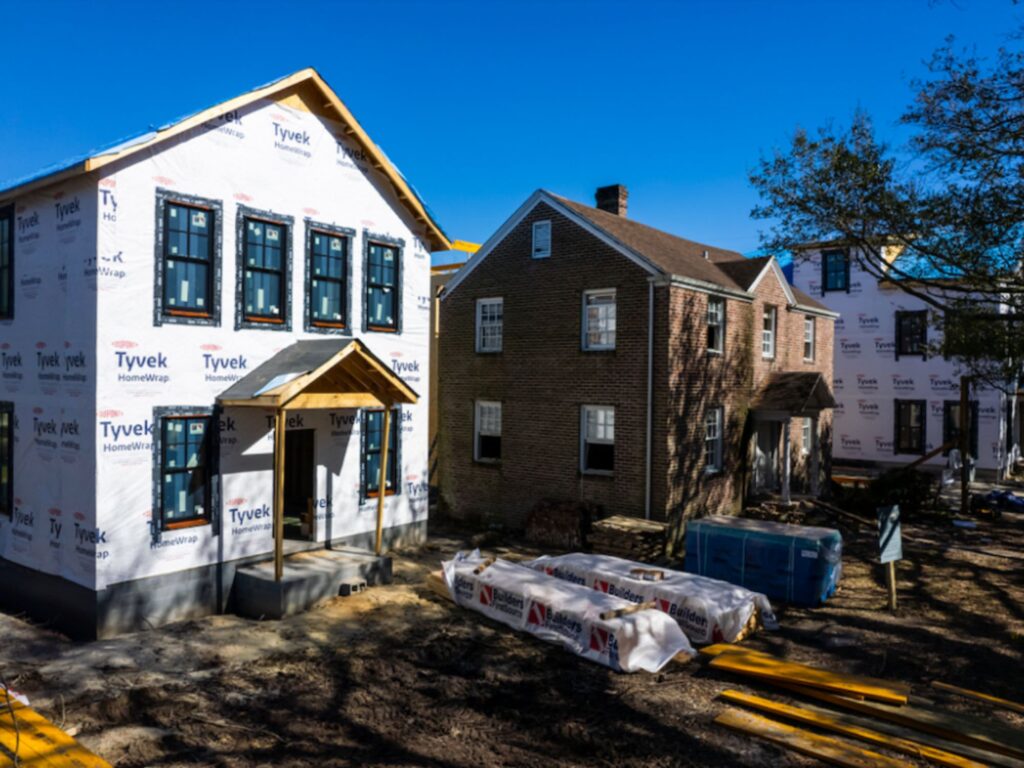
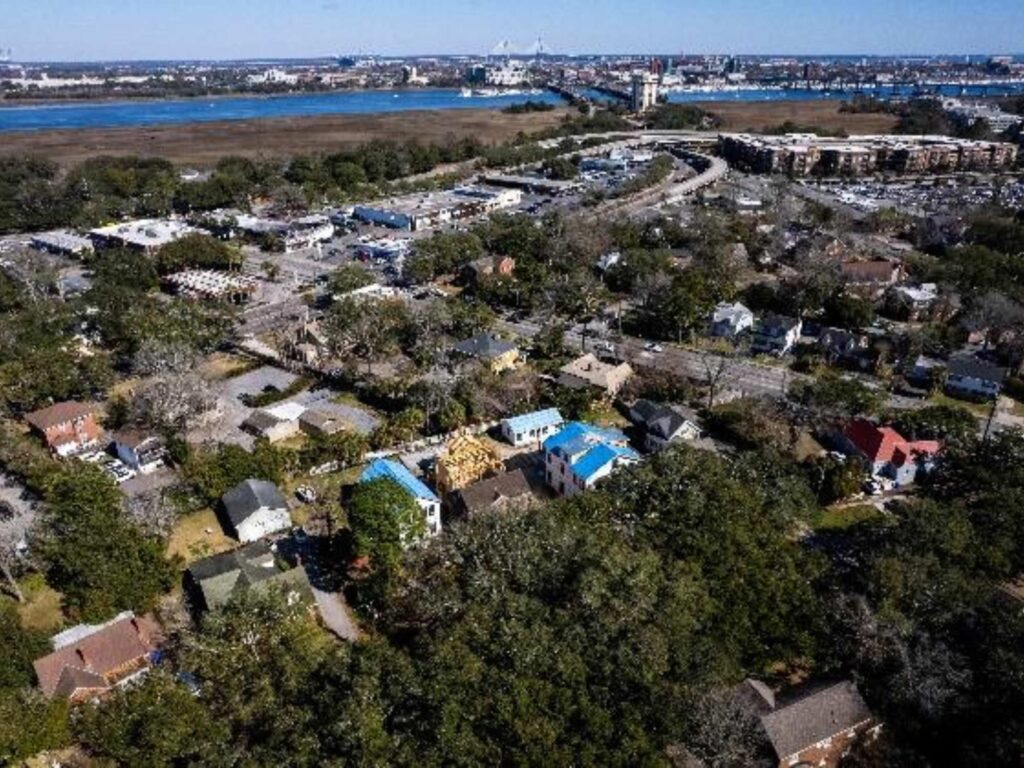
Infill housing has nothing to do with a neighborhood being run down. It just means building on a vacant or underused lot within an already built-up area, rather than on open land at the edge of town. Plenty of infill homes go up in some of the nicest, most established neighborhoods around, because those lots are desirable and already surrounded by other houses.
You’ll hear it called a few things. Infill development and urban infill tend to show up in planning conversations, but for a homeowner, it comes down to one new house slotting into an existing street. Splitting a wide lot into two, or building on that one empty parcel everyone walks past, counts. Either way, you want custom home architects who design around what’s already there instead of dropping a stock plan onto the lot.
Designing Infill Housing That Fits the Block
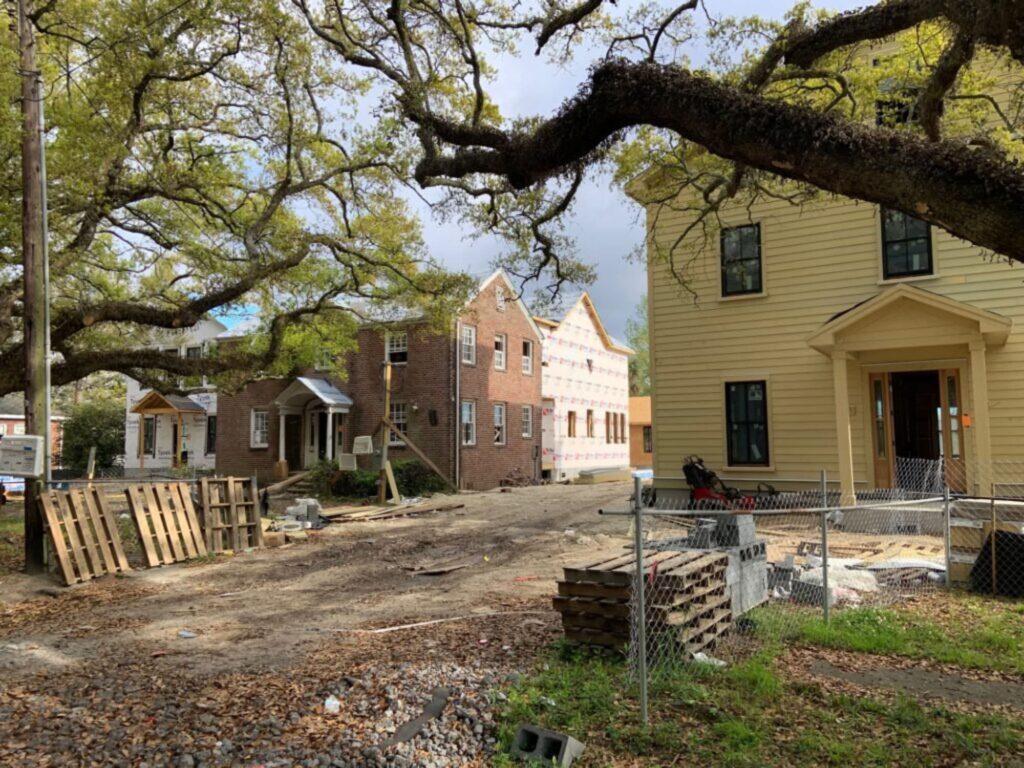
This is where the design work really matters. A new home that ignores the look of its neighbors can age poorly and irritate the whole block. So it starts with the site. Our residential architects in Charleston SC study the lot and the street around it before the design takes shape.
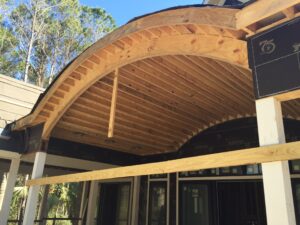
Scale comes first. If every house on the street is a story and a half, a tall new build is going to loom over them, even a good looking one. A second story addition runs into the same problem, so the real trick is keeping that extra height in proportion. Otherwise, it swallows the house it’s sitting on. And rooflines? Just as important. Simple gables and hips tend to look right at home in Charleston’s older neighborhoods. The complicated, choppy roof shapes are the ones that start to feel off.
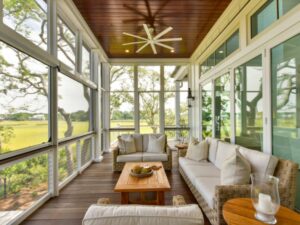
After that, it’s all in the details. Window proportions. Porch placement. The materials, and even the spacing between houses. Take the classic single house downtown, one room wide with that long side piazza, it sets a rhythm the whole street follows, and good infill respects it. Out in West Ashley or Mount Pleasant, the cues change, but the idea stays the same. Borrow the proportions, echo the materials, and a brand new home settles right in. Same goes for home additions and porch additions. You don’t want anyone able to tell where the old house stops and the new part starts.
The Approval Layer Depends on Your Neighborhood
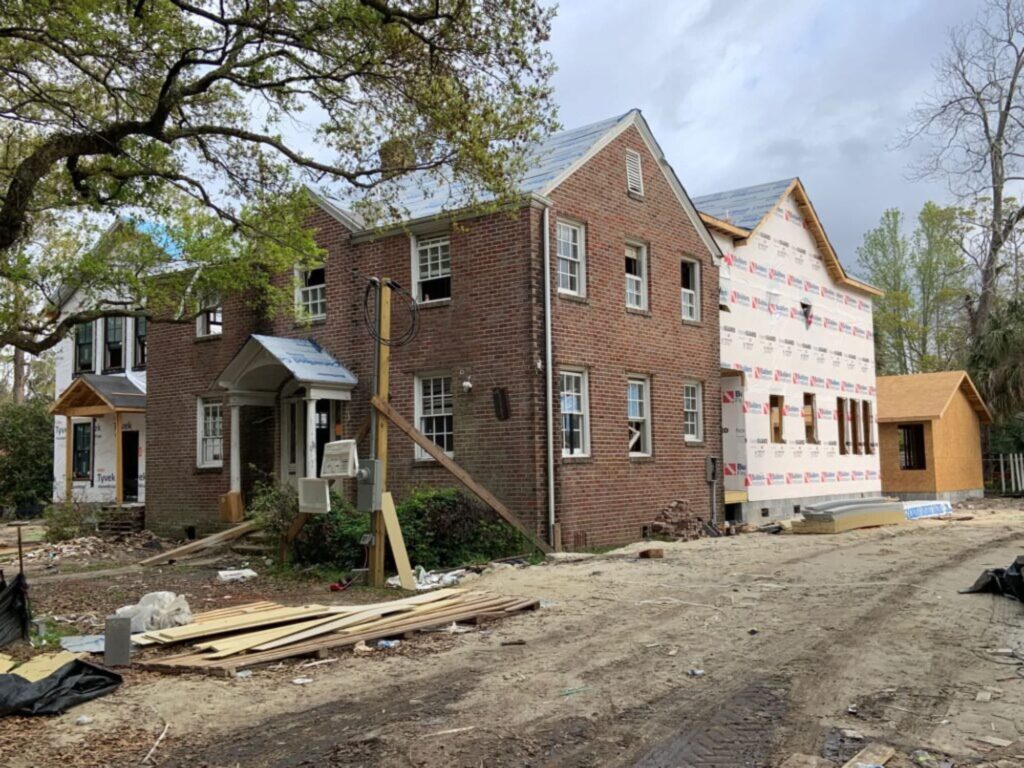
Whether your project faces formal design review depends entirely on where you’re building. If you’re in one of Charleston’s designated historic districts, the board of architectural review Charleston oversees is the body that signs off on exterior changes, new construction, additions, materials, and more.
Many neighborhoods outside those districts run their own architectural review board through an HOA. And some genuinely lovely older neighborhoods have no design board at all, just standard zoning. Knowing which bucket your lot falls into before you design saves a world of trouble, and it’s part of what our design process sorts out early.
Zoning applies either way. Things like lot coverage, how much of the lot your house can occupy, and side yard setback, how close you can build to the property line, shape what’s even possible. Older lots sometimes already push those limits, which can mean a trip to the zoning board for a variance. Our lead architectural designer, Joel Adrian, chairs the City of Charleston Board of Zoning Appeals, so this is familiar ground for our team, and we walk clients through the permitting process from there.
Infill Housing on Older and Coastal Lots
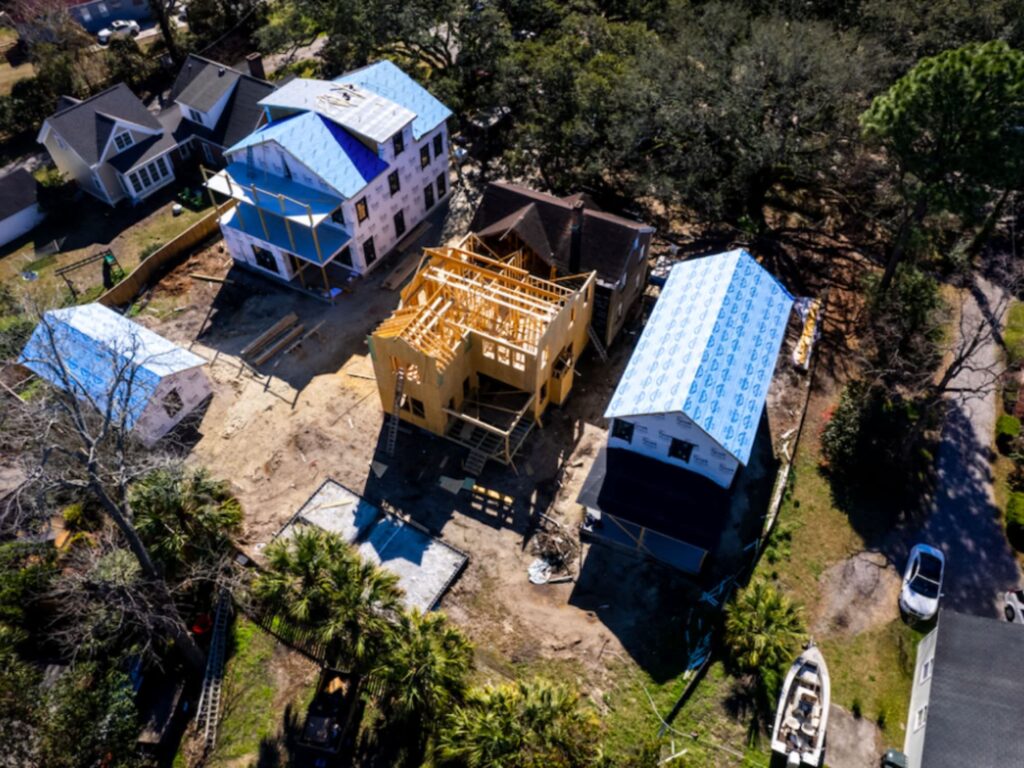
Charleston adds one more layer. Water. A lot of older lots are in flood zones, and a new home often has to be raised to meet current elevation rules. That changes how the house meets the street, which is exactly where coastal construction gets tricky.
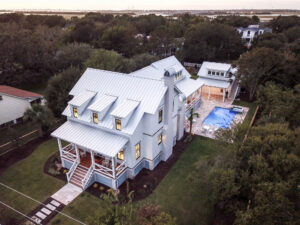
This is where having in-house structural engineers in the room from day one pays off. Elevated homes need foundation design that handles wind and flood loads, and any enclosed space underneath has to use breakaway walls, built to give way in a flood instead of dragging the house down with them. Get that right, and the home still feels grounded on its block rather than perched on stilts like a generic beach house. Because our architects and engineers work together under one roof, the look and the structure are solved at the same time.
Infill Housing FAQs
What is infill housing?
Infill housing is a new home built on a vacant or underused lot inside an already developed neighborhood. It has nothing to do with the area being run down. Plenty of infill homes go up in upscale, established neighborhoods.
Do I need architectural review board approval in Charleston?
It depends on your neighborhood. Homes in designated historic districts answer to the Board of Architectural Review, some HOA neighborhoods have their own board, and others have none at all. Check before you design.
Can I add a second story to an older home?
Often yes, but it takes care. A second story addition has to stay in proportion with the original house and the street, and it usually needs structural reinforcement to carry the new load.
What is a Charleston single house?
A Charleston single house is one room wide, turned with its narrow end to the street and a long side piazza down one side. It’s one of the defining patterns infill design has to respect downtown.
How do you make a new home fit an older neighborhood?
Match the scale, rooflines, materials, and spacing of the homes around it. A house that borrows the street’s proportions reads as belonging, even when it’s brand new.
Let’s Build Something That Belongs
Building new in a neighborhood with history is one of the most rewarding projects there is, and one of the easiest to get wrong without the right team. If you’ve got a lot in an established Charleston SC neighborhood and you want a home that fits right in, we’d love to talk it through. We’ll help you read the street, work through whatever approvals apply, and design something that looks like it’s always been there.
Your dreams are our blueprint.